
Hidden costs in Dubai limousine operations are one of the biggest reasons many fleets stay busy but still underperform financially.
Many fleet owners focus on revenue first.
That is understandable. Revenue is easy to see, easy to report, and often treated as the clearest sign that the business is performing well.
But revenue alone does not explain profitability. Many of the real problems come from hidden costs in Dubai limousine operations that are not tracked closely enough.
A Dubai limousine fleet can stay active, complete trips, and still lose money quietly across multiple areas of the business. These losses do not always appear dramatic at first. In most cases, they show up as small gaps that continue daily until they become a much bigger profitability problem.
That is exactly why hidden costs in Dubai limousine operations deserve more attention.
For many operators, the real issue is not just generating revenue. The real issue is protecting margin after fuel, tolls, payout errors, idle time, underused vehicles, and reconciliation gaps are taken into account.
A fleet may look busy on the surface and still underperform financially underneath.
In our Fleet Insights section, we regularly break down the financial and operational issues that affect UAE fleets most.
Why Revenue Alone Is Not Enough
Many operators still rely too heavily on top line revenue as the main performance indicator.
The problem is simple. Revenue shows activity, but it does not explain efficiency. It does not show whether a vehicle is being used well, whether a shift is truly productive, whether toll costs are being controlled, or whether driver payouts match actual results.
This is why two fleets with similar revenue can end up with very different profit outcomes.
One fleet may be tracking performance properly across vehicles, drivers, shifts, and expenses. Another may be working with only partial visibility. Both may look active, but only one really understands where money is being made and where it is quietly being lost.
Idle Time Still Carries Cost

One of the most overlooked hidden costs in Dubai limousine operations is idle time.
A parked vehicle may not be generating trips, but it is still carrying cost. Lease obligations, insurance, licensing, parking, depreciation, and opportunity cost do not stop just because the vehicle is not moving.
This becomes a serious issue when certain vehicles stay underused across shifts or across days without being reviewed properly. From a distance, the fleet may look fully operational. But when you break it down vehicle by vehicle, some assets may be contributing far less than expected.
That is why tracking idle time is so important.
If an operator cannot clearly see which vehicles are spending too much time inactive, then profitability analysis remains incomplete.
Fuel Variance Is Often Ignored Until It Becomes Expensive
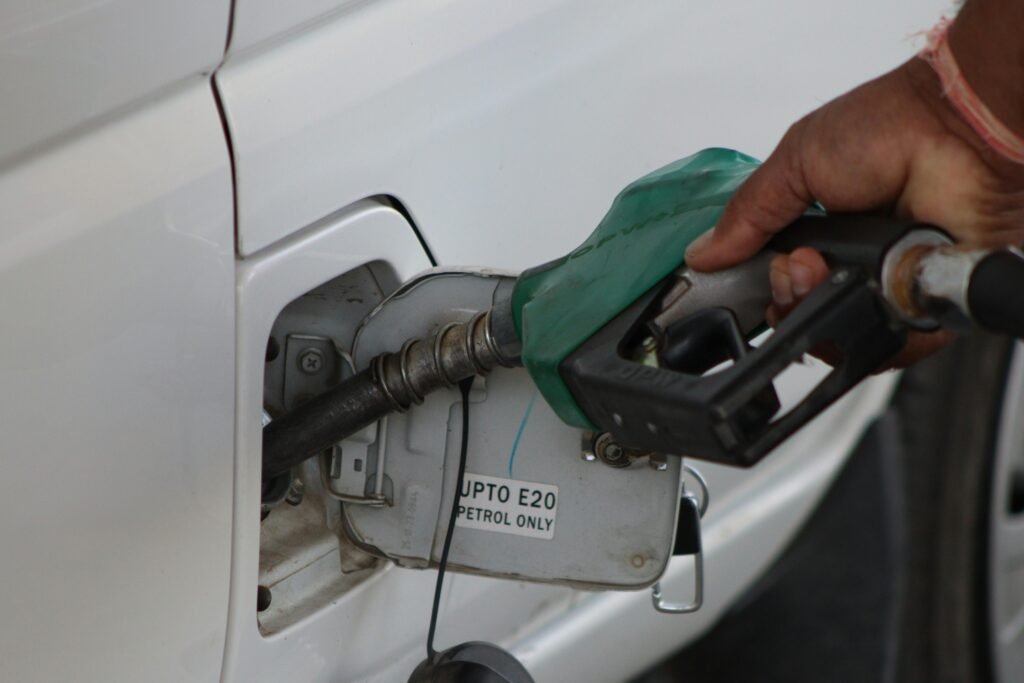
Fuel is a routine expense in limousine operations, which is exactly why it often escapes deeper review.
Many fleets record fuel purchases, but far fewer compare fuel cost properly against actual usage, distance covered, route behavior, vehicle assignment, or shift productivity. As a result, fuel variance gets treated as normal instead of being investigated.
But fuel variance matters.
When one vehicle consistently consumes more than expected, or when fuel cost patterns do not align with operational output, something important may be getting missed. It could point to weak route discipline, excess idling, poor driving behavior, misuse, or weak reporting controls.
Without structured analytics, fuel becomes an expense that is recorded but not really understood.
Salik Leakage Quietly Reduces Margin

Salik is a standard cost in Dubai fleet operations, but that does not mean it should be treated casually.
Even Dubai’s official Salik toll system makes it clear that toll charges are a structured and recurring part of road usage, which is why fleet operators should monitor them more carefully.
If toll activity is not reviewed alongside trip data, route patterns, and vehicle performance, Salik can quietly reduce margin without attracting enough attention. Small toll leakages spread across multiple vehicles and shifts can add up faster than many operators expect.
This is especially important for fleets that operate at scale.
When toll data is not connected to shift level and vehicle level analysis, it becomes harder to see whether the cost is justified, avoidable, or linked to weak trip planning. Over time, these small leakages reduce profitability without ever appearing as a major red flag in basic reports.
That is why hidden costs in Dubai limousine operations often remain invisible for longer than they should.
Driver Payout Gaps Distort Financial Accuracy
Driver payouts are another area where quiet losses can build.
In many limousine fleets, payouts depend on a combination of trip earnings, incentives, commissions, fixed salary structures, rental arrangements, or shift-based adjustments. When these calculations are not validated properly, the business becomes vulnerable to recurring payout gaps.
Even small mistakes repeated across multiple drivers can create meaningful financial distortion.
This is not only an accounting issue. It is also an analytics issue. If trip records, earnings data, cash collections, app-based figures, and deductions are not reconciled properly, operators lose confidence in the final payout numbers.
That affects cost control, operational trust, and reporting accuracy all at once.
Underused Vehicles Can Hide Inside Overall Fleet Activity
Another major issue is vehicle underperformance.
A fleet may appear active overall while some vehicles quietly remain weak contributors. This often happens when reporting stays too broad. Total trips may look acceptable. Total revenue may look stable. But that does not mean every vehicle is pulling its weight.
Without per vehicle visibility, underused or underperforming assets remain hidden inside total fleet numbers.
This is one of the clearest reasons why structured analytics matters. Operators should be able to see which vehicles are performing strongly, which are average, and which are consistently weakening overall margin.
If that visibility is missing, decisions around allocation, monitoring, and profitability improvement become much harder.
Weak Reconciliation Creates Blind Spots
Many hidden costs in Dubai limousine operations continue simply because the numbers are not connected properly.
Trip data may sit in one place. Fuel expenses in another. Salik records somewhere else. Driver payouts somewhere else again. Cash sheets, POS records, and bank reconciliation may also be delayed or disconnected from day to day fleet activity.
When this happens, the business loses visibility.
The issue is not whether each number exists. The issue is whether those numbers connect clearly enough to explain actual performance.
Weak reconciliation creates blind spots around missing revenue, unexplained expenses, payout mismatches, and vehicle level profitability. This makes it harder for operators to identify where the real operational problem sits.
Basic reporting may show numbers. But structured accounting and analytics show whether those numbers actually make sense together.
Why Hidden Costs in Dubai Limousine Operations Matter More Than They Seem
Each of these issues may look small on its own.
A little extra fuel cost here. A few toll charges there. A payout gap. A vehicle spending too much time idle. A reconciliation delay that no one treats as urgent.
But together, these issues can significantly reduce margin.
That is why many operators feel confused when revenue appears healthy but profit feels weaker than expected. The problem is often not a lack of work. It is a lack of visibility.
When fleets only track activity, hidden costs continue in the background. When fleets track performance properly across vehicles, shifts, drivers, and financial records, the real story becomes much clearer.
Accounting shows the numbers. Analytics shows the story.
Final Thought

For Dubai limousine operators, the biggest risks are not always the most obvious ones.
Very often, the real damage comes from repeated hidden costs in Dubai limousine operations that no one measures properly enough. Idle time, fuel variance, Salik leakage, payout gaps, underused vehicles, and weak reconciliation can all quietly reduce profitability even when the fleet looks busy from the outside.
That is why operators need more than basic reports.
They need structured accounting and analytics that reveal what is actually happening across the fleet.
This is where professional fleet accounting and analytics services help operators move from scattered numbers to clearer decisions.
The fleets that perform better are usually not just working harder.
They are tracking better.