
For many limousine and car rental companies, the limousine booking process UAE operators use today is far more complicated than it appears. As the UAE tourism and transport sector continues to grow, operators are managing increasing booking volumes from multiple customer touchpoints.
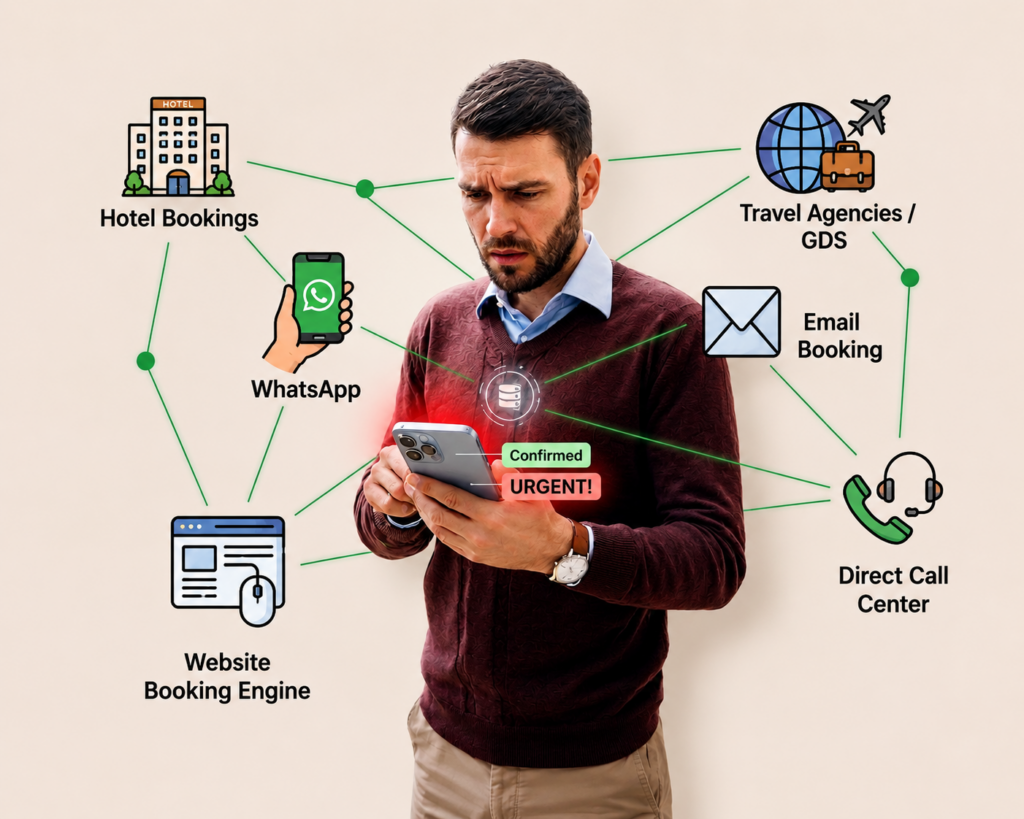
A booking might arrive through WhatsApp. Another comes through a hotel concierge. A corporate client sends requests by email. Some customers call directly, while others book through a website form.
Individually, each booking channel works well.
The problem begins when all these channels operate independently.
As fleets grow, managing vehicles often becomes easier than managing information. The result is missed bookings, delayed invoicing, reporting discrepancies, and operational inefficiencies that quietly impact profitability.
Understanding how the limousine booking process UAE companies rely on affects operations is becoming increasingly important for businesses that want better financial control and long-term growth.
The Modern Limousine Booking Process UAE Companies Depend On
Today’s limousine and car rental businesses rarely rely on a single booking source.
A typical operator may receive bookings from:
- Phone calls
- Website inquiries
- Corporate email requests
- Hotel concierge desks
- Travel agencies
- Repeat customers
This creates flexibility for customers but introduces complexity for operators.
The more booking channels involved, the harder it becomes to maintain accurate records and ensure every booking follows the same operational workflow.
How Multiple Booking Channels Create Operational Challenges
Booking Information Gets Scattered
One of the biggest problems in the limousine booking process UAE companies use is fragmented information.
A customer may confirm a booking through WhatsApp.
The pickup location may later be updated over a phone call.
The driver may receive instructions through a different WhatsApp group.
At the end of the day, the complete booking history is spread across multiple platforms.
When information is fragmented, mistakes become much more likely.
Important Changes Can Be Missed
Last-minute changes are common in limousine operations.
Customers may:
- Change pickup locations
- Request additional stops
- Modify vehicle requirements
- Adjust pickup times
When these updates are communicated through different channels, there is always a risk that someone misses important information.
Even a small communication error can affect customer experience and operational efficiency.
Why The Limousine Booking Process UAE Operators Use Affects Reporting

Many fleet operators focus on completing trips.
However, reporting becomes difficult when booking information is not centralized.
Operations and Finance Often See Different Numbers
Operations teams may report one number of completed trips.
Finance teams may report a different number of billable trips.
Management then spends valuable time trying to understand which figure is accurate.
Without a structured limousine booking process UAE operators can struggle to reconcile trip data, invoices, and revenue reports.
Customer Reporting Becomes More Difficult
Corporate clients frequently request:
- Monthly trip summaries
- Vehicle utilization reports
- Billing statements
- Service reports
Generating accurate reports becomes harder when booking information exists across multiple systems and communication channels.
The Hidden Cost of Poor Booking Management
Most operators think booking challenges only create administrative work.
The reality is far more expensive.
Delayed Invoicing
If booking information is incomplete or difficult to verify, invoices can be delayed.
For businesses dealing with corporate clients, delayed invoicing often means delayed payments.
Missing Revenue Opportunities
A completed trip should always become recorded revenue.
When booking records are fragmented, trips can be:
- Missed
- Recorded incorrectly
- Invoiced late
- Difficult to reconcile
Over time, these small issues create significant financial leakage. Similar issues can also contribute to undeclared trips affecting fleet profitability.
Increased Administrative Work
Many operators spend hours every month manually checking:
- WhatsApp messages
- Driver logs
- Booking spreadsheets
- Customer confirmations
This creates unnecessary administrative overhead that grows as the fleet expands.
How UAE Limousine Companies Can Improve Their Booking Process

A more structured limousine booking process UAE businesses can rely on should focus on:
Centralizing Booking Information
Every booking should eventually flow into a single system of record.
This ensures all teams work with the same information.
Standardizing Booking Procedures
Regardless of where the booking originates, the same process should be followed for:
- Customer information
- Trip details
- Driver assignment
- Billing information
Consistency reduces errors and improves operational visibility.
Connecting Operations With Finance
The most successful operators ensure booking data supports:
- Trip tracking
- Driver management
- Invoicing
- Revenue reporting
- Financial reconciliation
When operations and finance work from the same information, decision-making becomes significantly easier.
Why This Matters More As Fleets Grow
A small fleet can often manage bookings through informal communication.
A growing fleet cannot.
As vehicle counts increase, the limousine booking process UAE companies use becomes a critical part of operational control.
Businesses that centralize booking information gain:
- Better reporting accuracy
- Faster invoicing
- Improved customer service
- Stronger financial visibility
- Better profitability management
How Arianna Can Help
Many UAE limousine and car rental companies already collect large amounts of booking and operational data.
The challenge is turning that information into reliable business intelligence.
Arianna helps operators bring operational and financial information together through structured reporting, reconciliation, and fleet accounting support. This enables management teams to make decisions based on accurate, consolidated information rather than fragmented records spread across multiple channels.
Final Thoughts
The biggest challenge in the limousine booking process UAE operators use today is not receiving bookings.
It is managing information effectively once those bookings arrive.
As fleets grow, businesses that centralize booking data, improve reporting accuracy, and connect operations with finance will be in a stronger position to scale profitably.
Want better visibility into your fleet operations and financial performance?
Book a fleet consultation with Arianna and discover how better reporting and reconciliation can improve profitability across your limousine or car rental business.