

Many fleet operators do not realize that UAE limo companies lose money every month due to hidden operational inefficiencies that are difficult to notice in daily reports.
The UAE limousine industry operates across ride-hailing platforms such as Uber, Careem, and other mobility systems. Fleet operators manage multiple vehicles, drivers, expenses, and trip data across different platforms.
Despite this constant activity, UAE limo companies lose money because several small operational gaps accumulate quietly over time.
These losses usually come from inaccurate driver payouts, fuel expense leakages, idle vehicle time, and incomplete trip reconciliation. Understanding these patterns helps fleet operators protect their margins and improve operational visibility.

Driver Payout Errors Are a Major Reason UAE Limo Companies Lose Money
One of the most common reasons UAE limo companies lose money is inaccurate driver payout calculations.
Fleet operators often manage multiple drivers across different shifts and vehicles. When payout calculations are done manually or without structured validation systems, small errors can easily occur.
Common issues include:
• incorrect commission percentages
• missing deductions
• manual adjustment mistakes
• incomplete reconciliation with platform earnings
Even small payout errors can accumulate quickly.
For example:
20 drivers × AED 25 payout error × 30 days = AED 15,000 monthly loss
This example shows how operational inaccuracies can gradually reduce profitability.
Fuel Monitoring Gaps Cause Fleet Businesses to Lose Money
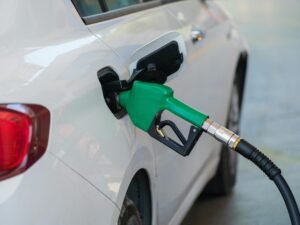
Fuel expenses represent one of the largest operational costs in limousine businesses. Without structured monitoring, fleets often experience hidden fuel leakages.
Many operators track fuel only through receipts rather than analyzing vehicle-level consumption patterns.
This can lead to issues such as:
• unusually high fuel consumption
• personal trips using fleet fuel
• incorrect fuel card usage
• fuel purchases that do not match trip records
Even AED 40 of excess fuel per vehicle daily can create a large financial gap.
30 vehicles × AED 40 × 30 days = AED 36,000 monthly loss
Fuel monitoring therefore plays a critical role in maintaining fleet profitability.
Idle Vehicle Time Reduces Fleet Profitability
Idle vehicles are another operational factor affecting limousine businesses.
When vehicles remain inactive for long periods, they still generate costs such as:
• depreciation
• insurance
• parking charges
• platform inactivity penalties
If vehicles remain idle for just 2–3 hours during a shift, the lost revenue opportunity can significantly affect monthly earnings.
Across a larger fleet, idle vehicle time can gradually reduce operational margins and overall efficiency.
Missing Trip Reconciliation Creates Revenue Gaps
Another reason UAE limo companies lose money is incomplete trip reconciliation.
Fleet operators receive financial information from multiple sources, including:
• ride-hailing platforms
• driver cash collections
• POS transactions
• digital wallet payments
When these records are not reconciled properly, discrepancies may appear between:
• trips completed
• revenue reported
• driver payouts
Even a few unverified trips per day can create noticeable revenue gaps across an entire fleet.
Lack of Operational Analytics Makes Losses Hard to Detect
Many limousine operators already collect large amounts of operational data such as trip records, driver activity, revenue reports, and fuel expenses.
However, raw data alone does not improve profitability.
Without proper interpretation, several important patterns remain hidden:
• underperforming vehicles
• inefficient driver behavior
• unusual expense patterns
• declining vehicle profitability
Better visibility allows fleet owners to identify the operational factors responsible for revenue leakages and improve long-term profitability.
Frequently Asked Questions
Why do UAE limo companies lose money?
UAE limo companies lose money due to inaccurate driver payouts, fuel expense leakages, idle vehicle time, and incomplete trip reconciliation across multiple ride-hailing platforms.
How can limousine fleets reduce operational losses?
Fleet operators can reduce losses by implementing structured analytics systems that monitor vehicle profitability, driver activity, and operational expenses.
What should fleet owners track daily?
Fleet owners should track driver payouts, fuel consumption, trip reconciliation, idle vehicle time, and vehicle-level profitability.