

Reduce idle time in fleet operations to improve efficiency and control operational costs.
Most fleets already know idle time is a problem.
However, many assume that fixing it requires major operational changes.
In reality, small and consistent improvements can significantly reduce idle time and improve performance.
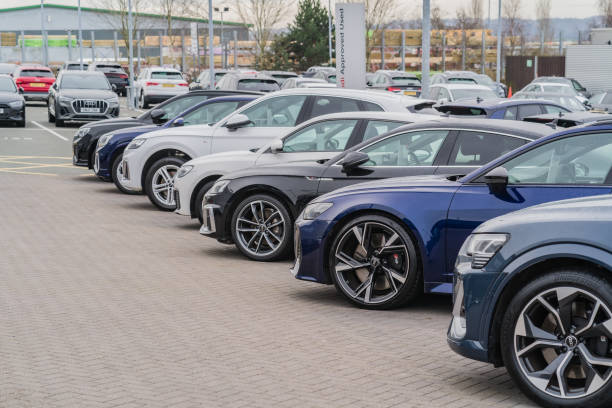
Why You Need to Reduce Idle Time in Fleet Operations
Idle time directly impacts cost, efficiency, and vehicle utilization.
In fact, reducing idle time in fleet operations is a key part of improving overall fleet KPIs in Dubai.
According to industry benchmarks on fleet management KPIs, improving operational visibility is critical to reducing inefficiencies.
When vehicles are not moving but still consuming resources, fleets lose money without generating revenue.
As a result, reducing idle time in fleet operations becomes essential for improving overall performance.
5 Ways to Reduce Idle Time in Fleet Operations
1. Optimize Scheduling
Poor scheduling often leads to unnecessary waiting between trips.
Better planning ensures vehicles move efficiently instead of staying idle.
2. Reduce Unnecessary Wait Time
Delays at pickup points or between trips increase idle time.
For example, better coordination between drivers and dispatch can reduce waiting significantly.
3. Improve Route Planning
Inefficient routes can lead to delays and idle periods.
Instead, optimized routes help maintain consistent movement and reduce downtime.
4. Monitor Vehicle Activity to Reduce Idle Time in Fleet Operations
Without visibility, fleets cannot identify where time is being lost.
Real-time tracking helps detect idle patterns and take corrective action quickly.
Modern fleet management practices emphasize real-time tracking to improve efficiency and reduce unnecessary idle time.

5. Use Data to Improve Decision-Making
Tracking data over time reveals patterns in idle time.
Because of this, fleets can make informed decisions to improve scheduling and operations.

Common Mistakes That Increase Idle Time in Fleet Operations
Many fleets try to reduce cost without addressing idle time directly.
However, focusing only on fuel or maintenance does not solve the root problem.
In fact, ignoring idle time leads to continued inefficiencies.
Conclusion
Reduce idle time in fleet operations to improve cost control and efficiency.
Small changes in scheduling, planning, and visibility can create a measurable impact.
Solutions like Arianna’s vehicle-level analytics help fleets identify idle patterns and take action based on real data.
If you’re looking to reduce idle time and improve fleet efficiency, the first step is gaining clear visibility into your operations.
Every extra minute a vehicle sits idle is operational money being lost.
Ready to reduce idle time and improve fleet efficiency?