

Seat sensors in fleet vehicles help operators detect passenger presence during trips and improve visibility across daily vehicle activity. For UAE limousine fleets, seat sensor data can support trip verification, stronger monitoring, and clearer operational oversight when used alongside GPS and fleet analytics tools.
For fleet operators managing multiple vehicles, maintaining visibility across daily operations is essential. Technologies such as GPS tracking and trip dashboards provide valuable information about vehicle location and trip data. However, these systems do not always reveal what is happening inside the vehicle during a trip.
Seat sensors help bridge this gap by detecting passenger presence inside the vehicle. This additional layer of monitoring can help fleet operators better understand vehicle activity and verify whether trips are actually taking place.
In fleet operations where vehicles operate throughout the day across multiple drivers and routes, having additional monitoring signals can contribute to improved operational transparency.
How Seat Sensors Work in Fleet Vehicles
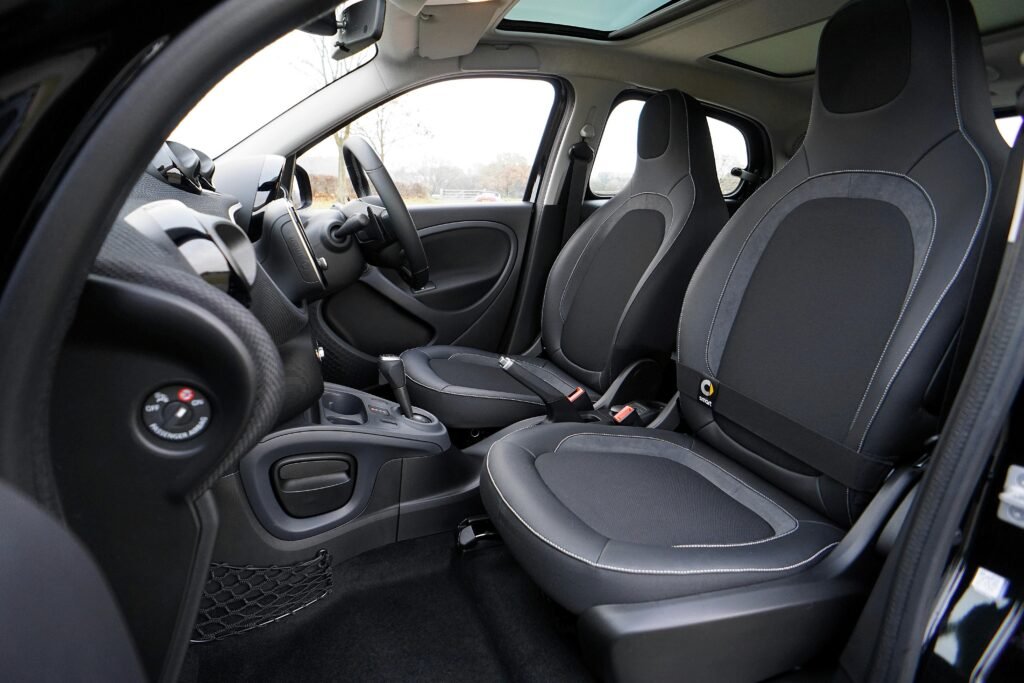
Seat sensors are typically installed beneath the seat cushion or integrated within the seat structure itself. The sensor detects pressure when weight is applied to the seat, indicating that a passenger is present. Seat sensors are similar to seat occupancy sensors used in automotive safety systems that detect passenger presence.
Once activated, the sensor sends a signal to a monitoring system or connected dashboard. This information can then be recorded as part of the vehicle’s operational data.
Fleet monitoring systems often combine several types of information to create a complete picture of vehicle activity. In addition to seat sensors, fleet operators may monitor:
• GPS location tracking
• trip records and trip timing
• driver activity and behavior
• vehicle usage patterns
When these systems are used together, they help operators gain a clearer understanding of how vehicles are being used throughout the day. Seat sensors provide an additional data point that complements other monitoring tools and contributes to improved operational visibility.

Why Seat Sensors Are Useful for Fleet Operators
Fleet businesses often manage multiple vehicles, drivers, and daily trips across different routes. In such environments, maintaining consistent operational visibility can be challenging.
Seat sensors help fleet operators verify when passengers are actually present inside vehicles during trips. This information can support stronger trip verification and provide additional insights into vehicle usage.
Some practical advantages of seat sensors include:
• improved passenger activity monitoring
• stronger trip verification processes
• additional operational transparency
• improved fleet oversight across vehicles
For limousine fleets and transport operators, technologies that improve operational visibility often work alongside fleet monitoring tools that help operators track vehicle activity and operational performance.
This is also why vehicle profitability becomes easier to understand when passenger presence data is reviewed alongside trip records and broader fleet reporting.
While seat sensors alone do not provide complete operational data, they can work alongside other monitoring tools to strengthen fleet monitoring systems.

Seat Sensors and Modern Fleet Monitoring
Fleet operations are increasingly becoming more data-driven. As fleets grow and vehicle utilization increases, operators rely on multiple monitoring technologies to maintain operational efficiency.
Seat sensors represent one of several tools that complement modern fleet monitoring systems. When combined with technologies such as GPS tracking, trip monitoring platforms, and operational dashboards, seat sensor data can contribute to a clearer understanding of vehicle activity. Many fleet operators rely on fleet analytics systems to monitor vehicle activity, driver behavior, and operational performance across vehicles.
This additional data point can help operators monitor vehicle usage patterns, verify passenger presence, and strengthen overall operational transparency.
For fleet operators managing larger vehicle networks, monitoring systems that combine multiple data sources often provide the most reliable operational insights.
Conclusion
As fleet operations continue to evolve, monitoring technologies play an increasingly important role in maintaining operational visibility and transparency.
Seat sensors in fleet vehicles help detect passenger presence and provide an additional layer of monitoring that complements other systems such as GPS tracking and trip dashboards.
When used alongside broader fleet monitoring tools, seat sensor data can help operators gain better insight into vehicle activity and improve operational oversight across fleets.
For UAE limousine operators, seat sensor data becomes much more valuable when it is reviewed alongside GPS, trip logs, and driver-level analytics. Arianna helps fleets turn these signals into clearer reporting on vehicle activity, undeclared trips, and operational performance.
Frequently Asked Questions
What are seat sensors in vehicles?
Seat sensors are monitoring devices installed inside vehicle seats that detect when a seat is occupied. They help monitor passenger presence and support vehicle monitoring systems.
How do seat sensors work in fleet vehicles?
Seat sensors detect pressure applied to a seat. When activated, the sensor records the event and sends information to a monitoring system or dashboard used by fleet operators.
Why do fleet operators use seat sensors?
Fleet operators use seat sensors to monitor passenger presence, verify trips, and improve operational visibility across vehicles.