

Trip counts in Dubai fleet operations often look like a strong indicator of performance.
High numbers suggest efficiency, demand, and growth.
But in reality, they rarely show where your fleet is actually losing money.

The Problem With Trip Counts in Dubai Fleet Operations
Most fleet dashboards highlight one simple metric:
Number of trips completed.
It’s easy to track.
It’s easy to report.
And it creates a sense of progress.
But there’s a gap.
Trip counts in Dubai fleet operations show activity, not profitability.
A fleet completing 500 trips may still be struggling with margins, and the reason will not be visible in that number.
What Trip Counts in Dubai Fleet Operations Don’t Show
Profit per trip
Not every trip contributes equally to your bottom line.
Some trips:
- Require longer waiting time
- Consume more fuel
- Generate lower revenue
Fuel-related losses are often overlooked, especially when not tracked at a granular level. (Read more about fuel inefficiencies here)
On paper, they look identical. In reality, they are not.
Idle time between trips

Vehicles do not operate continuously.
They:
- Wait between bookings
- Sit in traffic
- Remain underutilized
This idle time reduces efficiency, adds hidden costs, and compounds throughout the day.
In many fleets, waiting time becomes one of the biggest hidden cost drivers. (Explore how waiting time impacts fleet costs)
And none of it appears in trip counts.
Route inefficiencies
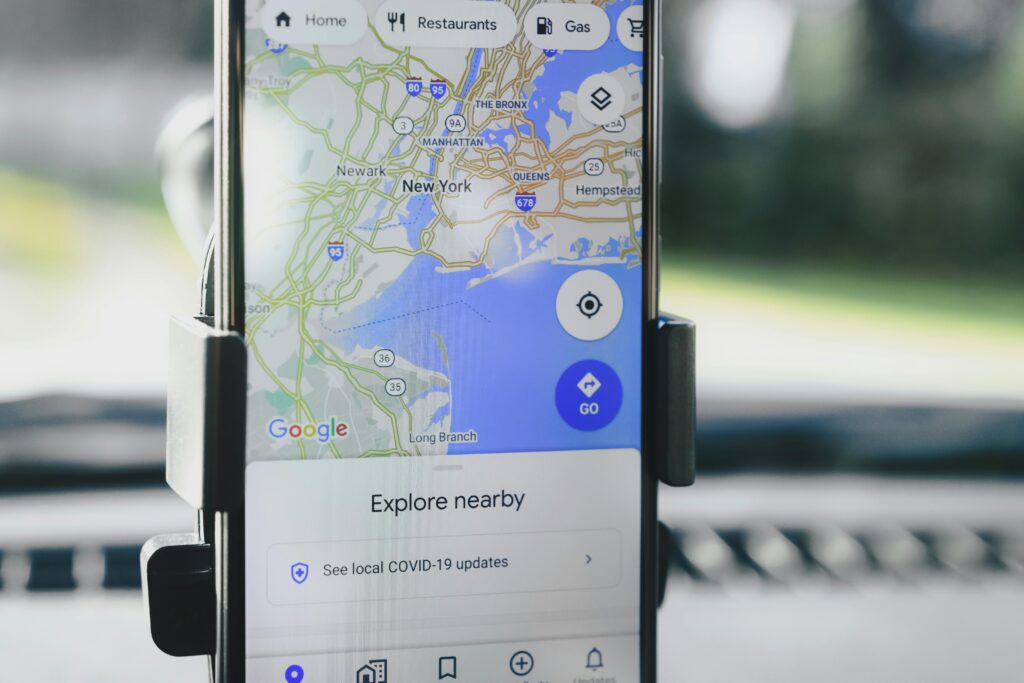
Two routes may generate the same number of trips but deliver completely different outcomes.
Factors like traffic conditions, route length, and stop frequency directly impact cost per trip.
Trip counts ignore these differences.
Driver-level variation
Two drivers can complete the same number of trips.
But one may use more fuel, take inefficient routes, or experience more idle time.
These differences impact cost, not trip volume.
Driver behavior plays a major role in fuel usage and route efficiency. (See how driver patterns affect fleet performance)
The Hidden Cost of High Trip Volume
This is where it becomes critical.
More trips do not always mean more profit.
In fact, 120 inefficient trips can generate less profit than 80 optimized ones.
This happens because inefficiencies scale with activity.
If your fleet has hidden cost leaks, increasing trip volume only amplifies them.
What You Should Track Instead

To get a clearer picture of performance, you need to look beyond trip counts in Dubai fleet operations and focus on:
- Cost per trip
- Profit per route
- Idle time per vehicle
- Fuel consumption per driver
These metrics show not just movement, but where your money is actually going.
For a broader understanding of key metrics, you can explore fleet performance metrics here:https://www.geotab.com/blog/fleet-management-kpis/
What We See Across Dubai Fleets
When fleets move beyond trip counts in Dubai fleet operations, a consistent pattern emerges.
A few high-volume routes are actually low-margin.
Certain vehicles are underutilized.
Idle time becomes a major cost factor.
These issues are rarely obvious at first, but once identified, they can significantly improve profitability.
A Simple Shift That Changes Everything
Trip count answers one question:
How busy is your fleet?
But the more important question is:
How profitable is each trip?
That shift changes how you evaluate performance entirely.
Final Thought
If your reports rely heavily on trip counts in Dubai fleet operations, you may be missing the bigger picture.
Activity is visible.
Profitability is not, unless you look for it.
Get in touch to uncover what your data might be hiding.