

Trip counts in fleet operations often look like a clear sign of success.
More trips usually mean higher demand, better utilization, and business growth.
But in reality, trip counts in fleet operations can be one of the most misleading metrics on your dashboard.
Because while your fleet may be completing more trips, your profit margins could still be shrinking.
For fleet operators in the UAE, especially limousine services dealing with rising fuel costs, Salik tolls, and idle time, this gap between activity and profitability is where real losses hide.
Understanding trip counts in fleet operations is important, but relying on them alone can lead to misleading conclusions.
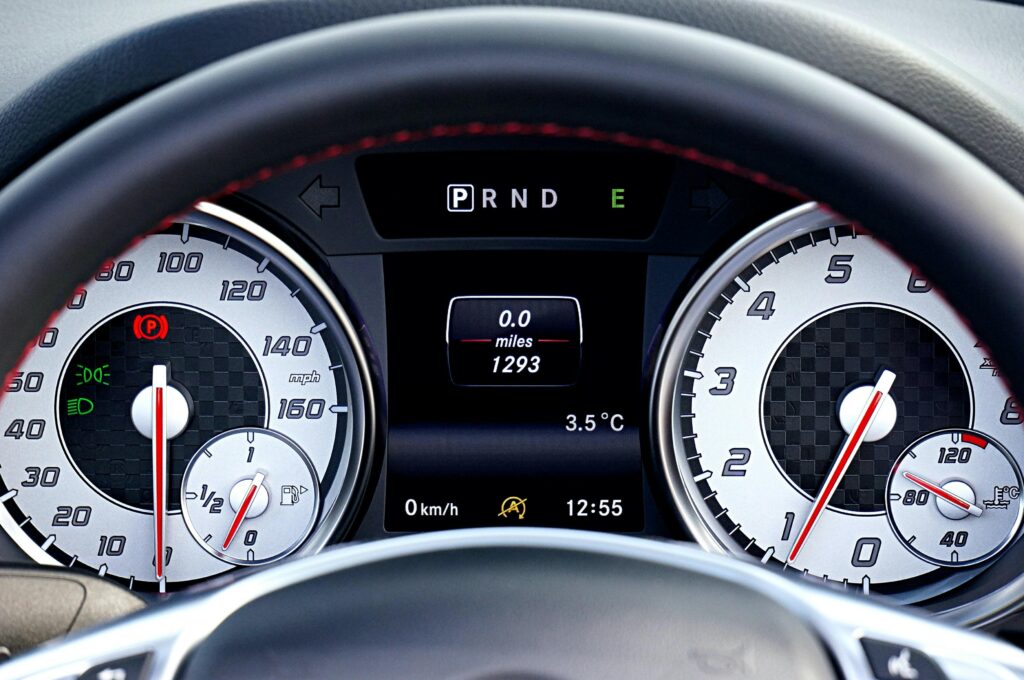
Why Trip Counts in Fleet Operations Look So Good on Dashboards
Trip counts are popular for a reason.
- They are easy to track
- They show consistent activity
- They look impressive in reports
For many operators, increasing trip numbers feels like progress.
But here is the problem. Trip counts in fleet operations only measure how busy your fleet is, not how profitable it is.
They do not tell you how much each trip costs, how efficiently vehicles are being used, or whether those trips are actually generating profit.
What Trip Counts in Fleet Operations Actually Hide
This is where most fleet operations go wrong. High trip counts in fleet operations often mask deeper inefficiencies that directly impact profitability.
Idle Time Between Trips in Fleet Operations

A vehicle completing multiple trips a day sounds productive.
But if it spends hours waiting between rides, that is lost revenue.
Even with high trip counts in fleet operations, idle time remains one of the biggest hidden costs, especially in UAE limousine services where demand fluctuates throughout the day.
Fuel Inefficiency in Fleet Operations
More trips do not always mean better routing.
Drivers may take longer routes, face traffic congestion, or operate inefficiently.
In many cases, trip counts in fleet operations increase while fuel efficiency declines, quietly reducing overall margins.
Empty Return Trips in Fleet Operations
Not all kilometers generate revenue.
After drop offs, vehicles often return empty, especially from airports or low demand areas.
These trips increase fuel costs, vehicle wear and tear, and overall operational expenses.
However, trip counts in fleet operations do not account for this dead mileage, making performance appear stronger than it actually is.

Rising Operational Costs in Fleet Operations
Every additional trip adds cost.
Fuel
Maintenance
Salik toll charges
Driver wages and overtime
As trip counts in fleet operations increase, these costs can rise even faster, reducing overall profitability instead of improving it.
Driver Behavior Issues in Fleet Operations
Trip counts do not reveal how those trips are executed.
Problems like harsh driving, route deviations, and unauthorized stops can increase costs and reduce efficiency.
Even with stable or growing trip counts in fleet operations, poor driver behavior can quietly impact margins.
Real Metrics That Matter More Than Trip Counts in Fleet Operations
Instead of focusing only on trip counts, operators should track metrics that impact profitability.
If trip counts in fleet operations do not tell the full story, what should fleet operators track instead?
Focus on metrics that directly impact profitability:
- Revenue per trip
- Cost per trip
- Idle time ratio
- Fleet utilization rate
- Fuel efficiency per km
- Trip to earning ratio
These metrics provide a much clearer picture than relying only on trip counts in fleet operations.
UAE Fleet Reality Check
Fleet operations in the UAE come with unique challenges that make trip counts in fleet operations even less reliable as a performance indicator.
For a broader understanding of UAE transport regulations and insights, refer to official transport guidelines.
Salik toll systems increasing per trip costs
Airport heavy trip patterns causing empty return journeys
Peak vs off peak demand gaps leading to idle vehicles
Limousine fleets chasing volume over margins
In this environment, relying only on trip counts in fleet operations can lead to poor decision making.
The Big Insight
Trip counts in fleet operations measure activity. Not profitability.
And confusing the two can quietly hurt your business.
What Smart Operators Do Beyond
Leading fleet operators are moving beyond trip counts in fleet operations and focusing on profitability driven insights.
They are:
Moving from volume based tracking to profitability metrics
Using fleet analytics tools instead of basic dashboards
Monitoring vehicle level and driver level performance
Optimizing dispatching and route planning
Instead of asking how many trips were completed, they focus on what each trip actually contributes to profit.
Conclusion
Trip counts are not useless, but they are incomplete.
Relying only on trip counts in fleet operations can lead to missed inefficiencies and hidden costs.
For UAE fleet operators, the real advantage lies in understanding the full picture, including costs, efficiency, and performance behind every trip.
Because in fleet operations, being busy is not the same as being profitable.
If your fleet dashboard still prioritizes trip counts, it may be time to look deeper.
The right insights do not just show you how much your fleet is moving. They show you how well it is performing.