

Modern fleet management software provides an abundance of data. However, tracking a car is not the same as having real insight. Many operators in the UAE rely on dashboards that display basic metrics such as vehicle location, speed, and daily distance traveled. While this surface reporting offers a general overview of the fleet. Specifically, it fails to connect vehicle movement to financial performance. to truly protect your margins, operators must transition to vehicle-level analytics. What operators see on a standard dashboard rarely reflects the true cost of operation, and knowing a vehicle’s location does not explain its fuel-to-revenue efficiency or identify where the margin is eroding.
Connecting Movement to Operational Cost via Vehicle-Level Analytics
Vehicle-level analytics does more than track a car. It checks if the car is making money. A standard system shows that a vehicle completed a trip across Dubai. Advanced systems must show the exact operational cost of that specific movement. Consequently, factoring in real-time fuel consumption rates, toll exposure, and time spent idling in traffic. True vehicle-level analytics must bridge the gap between operational activity and financial outcome, revealing the precise financial cost of dead mileage accumulated per shift. When operators cannot isolate the financial impact of empty kilometers, dead mileage becomes an untraceable overhead cost that continually weakens the margin.
The Hidden Cost of Engine Idling: A Vehicle-Level Analytics View
Operating a luxury fleet in the UAE introduces specific environmental challenges that surface reporting cannot capture. During peak summer months, maintaining cabin temperature while waiting at hotels, airports, or client locations requires prolonged engine idling. Basic telematics simply log this as stationary time, offering no financial insight. Advanced vehicle-level analytics must isolate this environmental idling and translate it into a direct fuel expense. Managers must know how much fuel each vehicle burns while stationary. Furthermore, they can use this data to set driver protocols for staging. This reduces fuel waste without hurting passenger comfort.
Mapping route efficiency and toll exposure
 Revenue generation is only half of the story. In fact, the cost of acquiring that revenue dictates the final margin. A standard dashboard tracks routes. However, complete reporting must calculate the cost-efficiency of every trip. This includes mapping dead mileage directly against Salik gate crossings and peak-hour traffic delays. If a car pays high tolls while moving to its next booking, the profit of that trip is lost. Consequently, unit-level tracking shows these high costs. Implementing vehicle-level analytics highlights these specific routing inefficiencies, allowing operators to adjust dispatch logic and minimize uncompensated toll exposure across the fleet.
Isolating fuel-to-revenue efficiency
Without unit-level financial data, operators cannot accurately assess vehicle performance. A car might bring in high sales. However, this can be a false sign of success. However, if data reveals that this specific car requires excessive fuel due to mechanical inefficiency or poor driver habits, its actual contribution to the net margin may be negligible. True vehicle-level analytics must strip away aggregate fleet totals to show the ratio of operational expense to active revenue-generating movement. By tracking these unit-level details, operators can identify which vehicles are operating at peak financial efficiency and which are quietly draining resources through hidden margin erosion caused by harsh braking and inefficient acceleration.
Transitioning to predictive maintenance
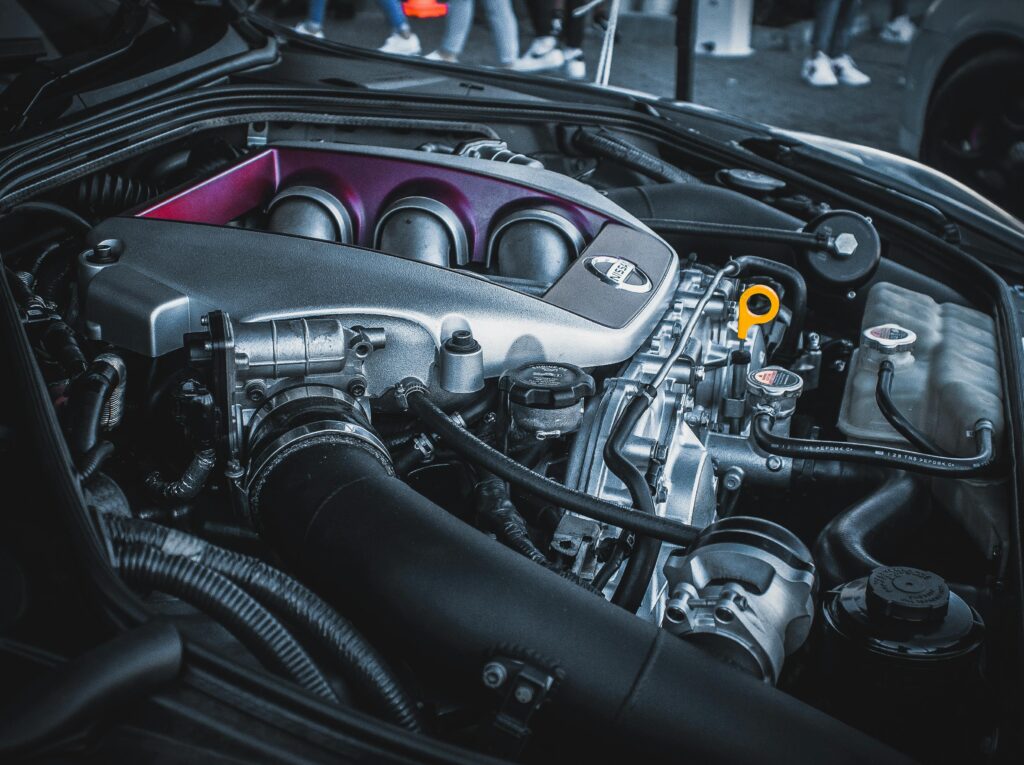
Standard fleet management relies on scheduled maintenance intervals based on static odometer readings. However, in a demanding environment like Dubai, mileage alone does not reflect the true wear on a vehicle. Extended idling times and high-temperature operation degrade engine components independently of distance traveled. Properly calibrated vehicle-level analytics monitor actual engine hours alongside mileage, providing a foundation for predictive maintenance timelines. Good analytics track engine hours and miles. Consequently, this helps you plan repairs before a car breaks down.
This allows operators to service vehicles based on actual operational stress rather than generic schedules, significantly reducing the risk of mid-route mechanical failures and the associated loss of revenue.
Optimizing Asset Lifecycles with Vehicle-Level Analytics
Granular data is also vital for long-term planning. Specifically, every vehicle eventually reaches a limit. Maintenance and fuel costs can quickly outpace revenue potential. Therefore, you must know when to replace an asset. Big fleet totals hide the truth. Therefore, owners often keep old cars for too long. Check the net gain of each car. Look at how often it needs repairs. Also, track the daily cost of each vehicle. This helps you decide the best time to sell or replace it. This ensures that capital is only deployed toward vehicles that actively support the fleet’s financial objectives.
Moving from data collection to strategic action
Data serves no purpose if it does not dictate operational adjustments. What analytics should actually show is a clear, evidence-based path to cost reduction. By isolating the specific vehicles carrying the highest operational costs, fleet managers can make informed decisions regarding dispatch routing, driver allocation, and asset lifecycle management. It helps you move from fixing problems to saving your profit.
Surface data is no longer enough to stay ahead in a busy market. To see your true profit, you must link your driving data with your money stats. In addition, Arianna Accounting & Analytics helps you turn raw facts into clear plans. This ensures that your fleet reports stay focused on long-term growth.
Ready to turn your fleet data into financial intelligence?
Don’t let hidden costs erode your margins. Contact the Arianna Accounting & Analytics team today for a custom evaluation of your vehicle-level reporting. Let’s build a strategy that protects your profit and scales your operations.