

Waiting Time in Dubai Limo Fleets is often treated as a normal part of operations.
Drivers wait at airports.
They wait outside hotels.
They wait between bookings.
On the surface, this looks like downtime.
But in reality, it is one of the most expensive parts of your fleet operations.
Because while your vehicle is not moving, your costs are.
Fuel is being consumed.
Engines are running.
Revenue is not being generated.
And in most cases, this cost is not even tracked properly.
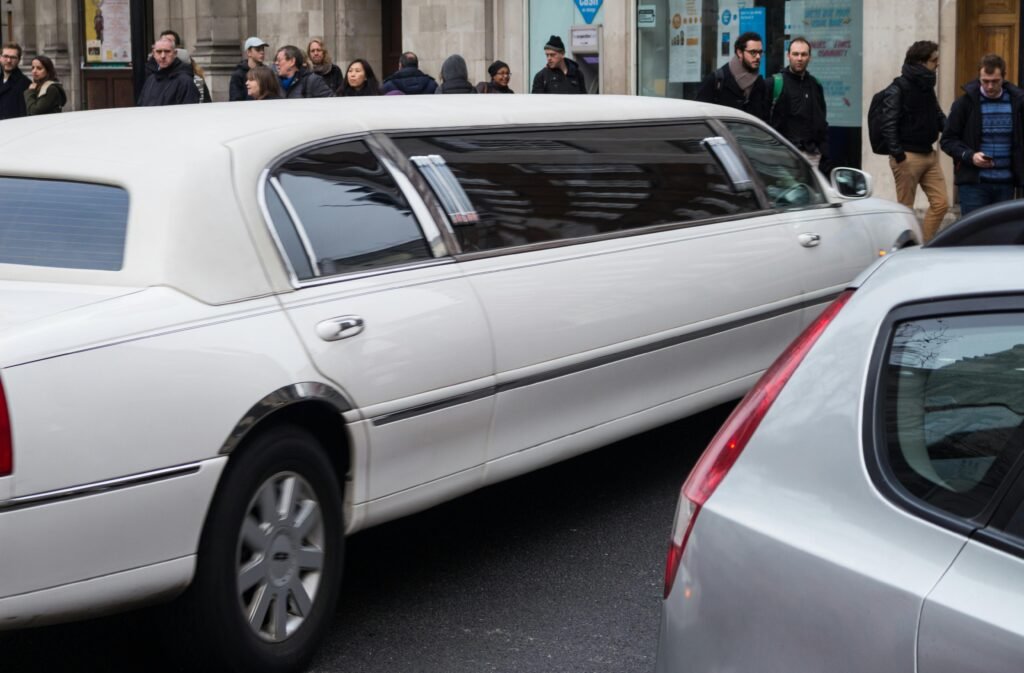
What is Waiting Time in Dubai Limo Fleets?
Initially waiting time in Dubai limo fleets refers to periods when vehicles are stationary with engines running but not generating revenue.
This typically includes:
- Airport pickups
- Hotel standby
- Early arrivals before bookings
- Gaps between trips
While unavoidable, unmanaged waiting time becomes a major cost driver.
Why Waiting Time Is More Expensive Than It Looks
Moreover waiting time feels harmless because nothing is happening.
But operationally, a lot is happening.
Fuel Consumption Continues

“In Dubai’s climate, vehicles remain on to maintain air conditioning. Specifically, This means engines consume fuel continuously…, even when the car is stationary.”
Engine Wear Increases
Prolonged idling leads to:
- Faster engine wear
- More frequent servicing
- Increased maintenance costs
These costs are rarely linked directly to waiting time, but they should be.
Revenue Opportunity Is Lost
Every hour spent waiting is an hour not spent completing trips.
This directly reduces:
- Trips per vehicle
- Revenue per day
- Overall fleet efficiency
How Much Can Waiting Time Cost a Fleet?
Let’s break it down simply.
- 10 vehicles in operation
- Each spends 2 hours waiting daily
That’s 20 hours of non-productive time every day.
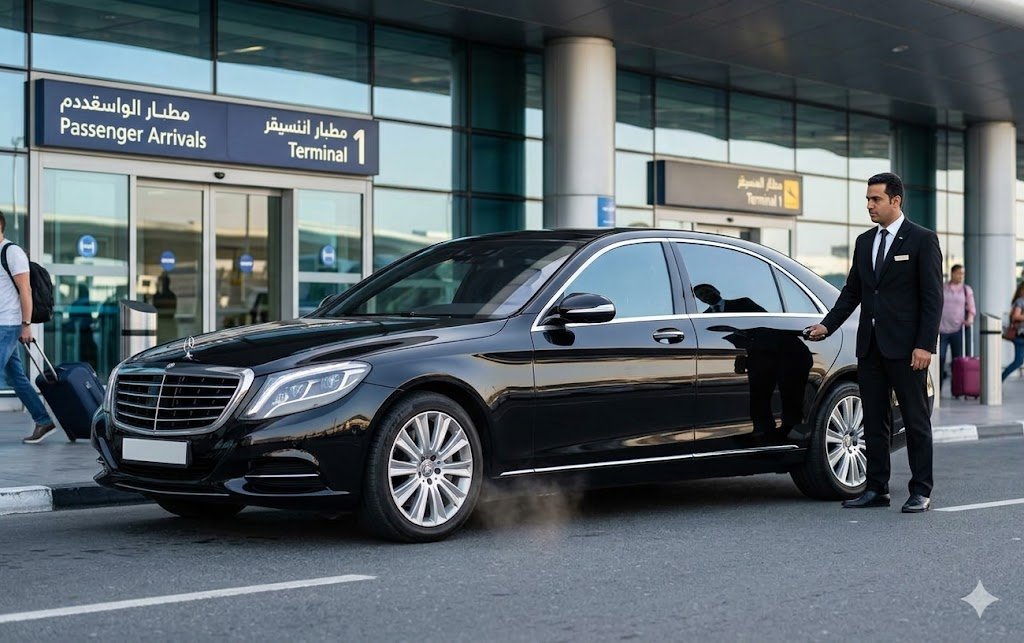
During these hours:
- Fuel is still being consumed
- Drivers are still on duty
- No revenue is being generated
Over a month, this becomes a significant hidden cost that directly impacts profitability.
Where Waiting Time Happens the Most
Understanding where waiting time occurs is the first step to controlling it.
Airport Pickups
Drivers often arrive early and wait for passengers.
Hotel Standby
High service expectations lead to extended idle periods.
Between Trips
Scheduling mismatches create unproductive time.
The Real Problem: Lack of Visibility
Most fleets track:
- Total fuel consumption
- Total trips completed
- Total revenue
But they don’t track:
- Waiting time per vehicle
- Waiting time per driver
- Waiting time per trip
Without this visibility, waiting time remains invisible.
And invisible costs are the hardest to control.
How Waiting Time Impacts Profitability
Waiting time affects multiple cost layers at once.
- Fuel costs increase
- Maintenance costs rise
- Revenue per vehicle decreases
This creates a situation where fleets appear busy but generate lower-than-expected profits.
What High-Performing Fleets Do Differently
“Furthermore, high-performing fleets don’t try to eliminate waiting time. Instead, they focus on controlling and optimizing it.”
- Track waiting time per driver
- Analyze patterns by location
- Adjust scheduling based on real data
- Reduce unnecessary early arrivals
This allows them to convert operational data into better decisions.
How Fleet Analytics Helps
“Fleet analytics provide visibility into inefficiencies. This helps fleets make data-driven decisions to reduce costs and improve scheduling.”
- When vehicles are idle
- How long they remain idle
- Identifying drivers have higher waiting time
- Which routes or locations cause delays
“Consequently, with this insight, fleets can:”
- Reduce inefficiencies
- Improve scheduling
- Lower operational costs
Simple Steps You Can Take Today
You don’t need complex systems to begin.
Start with:
- Tracking engine-on time versus movement
- Comparing idle time across drivers
- Identifying gaps between trips
Even small changes can reveal significant inefficiencies.
Conclusion
Waiting Time in Dubai Limo Fleets is not just downtime.
It is active cost.
It impacts fuel, maintenance, and revenue simultaneously.
And because it is often untracked, it quietly reduces profitability.
The fleets that improve margins are not the ones that eliminate waiting time.
They are the ones that understand and optimize it.
FAQs
1. Why is waiting time expensive in limo fleets?
Because it consumes fuel, increases engine wear, and reduces revenue-generating time.
2. Can waiting time be reduced in Dubai fleets?
It cannot be completely eliminated, but it can be optimized with better scheduling and tracking.
3. What is the difference between idle time and waiting time?
Idle time refers to the engine running while stationary, while waiting time includes the broader operational downtime.
4. How do fleet analytics help reduce waiting time?
They provide visibility into inefficiencies, helping fleets make data-driven decisions.
🚀 Ready to Stop the Silent Leak?
Discover how better tracking and analytics can help you uncover hidden inefficiencies and improve fleet performance.