

Fuel theft in UAE fleets rarely appears as one large, obvious issue. It usually hides in smaller patterns that seem harmless on their own. A suspicious fill-up here, a mileage mismatch there, or fuel usage that does not fully match the trip activity. Over time, those smaller gaps can become a bigger operational problem.
That is why fuel theft in UAE fleets is not only about theft in the narrow sense. It is also about weak verification, limited visibility, and missing the pattern until the loss becomes difficult to ignore.
For limousine and car rental operators, this matters even more. Fleet performance depends on control, accountability, and accurate reporting. If fuel tracking only begins and ends with expense entry, the real issue can stay hidden much longer than expected.
Why fuel loss is easy to miss
One of the biggest reasons operators overlook fuel loss is because it rarely arrives as one dramatic event. It often shows up through repeated inconsistencies across vehicles, shifts, and reporting.
These inconsistencies may include unauthorized fill-ups, ghost mileage, fuel log mismatches, route activity that does not explain the fuel used, and weak checking between trips, mileage, and fuel entries.
Individually, these may not look serious. Across a fleet, they tell a different story.
With current UAE petrol prices, even a small daily mismatch can become expensive across a fleet. In April 2026, UAE petrol prices were announced at AED 3.28 per litre for Special 95 and AED 3.20 per litre for E-Plus 91. That means even a few unexplained litres per day across multiple vehicles can quietly become a meaningful monthly cost.
This is one reason fuel theft in UAE fleets often stays hidden longer than operators expect.
What ghost mileage really means
Ghost mileage refers to vehicle movement or fuel usage that is not properly supported by trip records, route data, or operational activity.
In simple terms, the vehicle appears to have consumed fuel, but the business does not have a clear operational reason for that consumption.
This creates a visibility problem.
For example, a fleet may record a shift, a trip total, and a fuel entry, but once the mileage is checked more closely, the pattern does not align. The route may not justify the fuel used. The trip activity may not fully support the distance covered. Or the vehicle may show a recurring usage pattern that looks inconsistent compared to similar cars working similar routes.
That is where the issue starts moving from routine fuel tracking into hidden fuel loss and unmonitored fuel theft in UAE fleets.
Why fuel logs alone are not enough
Fuel logs are useful, but on their own they only show one part of the picture.
A fuel entry tells you that fuel was filled. It does not automatically tell you whether that fuel usage makes operational sense.
That is why fuel monitoring should go beyond expense recording alone. A stronger process checks fuel logs against actual operating activity.
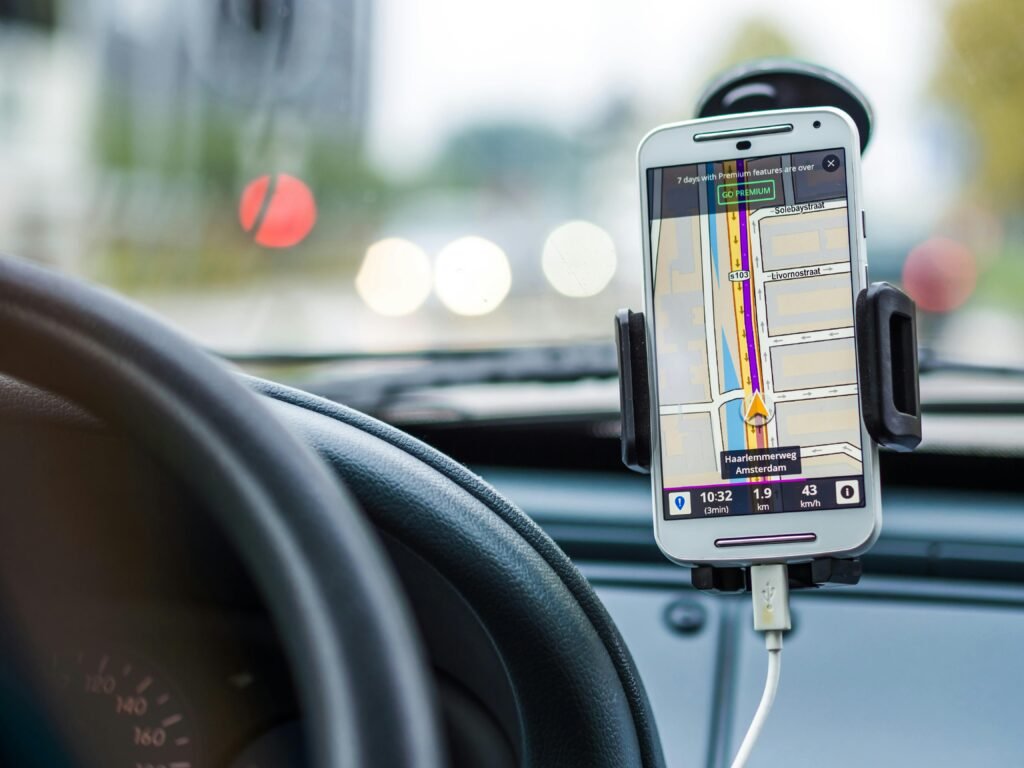
This means comparing fuel data with GPS mileage, trip activity, route patterns, shift details, vehicle-level performance, and available sensor-based checks.
Once those points are cross-checked, the pattern becomes much harder to hide.
A fleet that only records fuel expenses may still miss the real problem. A fleet that verifies fuel usage against movement and trip data has a much better chance of spotting early inconsistencies.
While these theft patterns are common in the UAE, the data required to catch them is often buried in manual spreadsheets. We’ve helped local operators automate this detection you can view our analytics approach here or reach out to see how it applies to your specific fleet size.
Signs that a fleet may have a hidden fuel-loss issue
Operators do not always need one extreme red flag to identify the problem. In many cases, the warning signs are quieter.
Some common indicators include one vehicle using more fuel than similar vehicles on similar routes, repeated small fill-ups that do not match expected usage, mileage patterns that look higher than trip activity should justify, fuel consumption increasing without a clear operational reason, and logs that look clean on paper but do not match route-level reality.
The challenge is that these signals are easy to dismiss when reviewed in isolation. They become more meaningful when reviewed as part of a structured pattern.
How UAE fleet operators can detect fuel theft earlier

The best way to detect fuel theft in UAE fleets is to stop treating fuel as a simple expense line and start treating it as an operational data point.
That means building a more structured review process.
A stronger approach includes checking fuel logs against GPS mileage, comparing trip activity with total distance covered, reviewing route patterns at the vehicle level, spotting repeated small mismatches instead of waiting for one major issue, comparing vehicles doing similar work, and looking at driver and shift patterns where possible.
The goal is not only to find theft after it happens. The goal is to detect unusual patterns early enough to prevent them from becoming a bigger cost.
What operators should track instead
To improve fuel control, operators should move beyond total fuel spend and start paying more attention to relationships between data points.
That includes tracking fuel filled versus actual mileage, trip activity versus route movement, vehicle-to-vehicle fuel usage patterns, driver or shift-based exceptions, and repeated mismatches over time rather than one-off entries.
When these comparisons are made consistently, visibility improves. And once visibility improves, hidden fuel loss becomes much easier to detect. Operators looking for more fleet insights on UAE limousine and car rental reporting can also explore related analytics topics in our Fleet Insights section.
Why this matters for limousine and car rental fleets
For UAE limousine and car rental operators, fuel is only one part of the bigger visibility question.
If the business cannot clearly explain why a vehicle consumed what it did, then the problem is not only fuel spend. The problem is the lack of structured control behind that spend.
This affects more than cost tracking. It affects vehicle-level profitability, driver accountability, shift-level monitoring, cost accuracy, and operational trust in reporting.
In other words, weak fuel visibility does not stay limited to the fuel sheet. It weakens confidence in the broader reporting system too.
Need better visibility into fuel, driver activity, and vehicle profitability? Arianna helps UAE limousine operators monitor the numbers routine reporting often misses.
How Arianna helps create better visibility
For limousine and car rental operators dealing with fuel theft in UAE fleets, the real issue is rarely just the fuel entry itself. It is the missing visibility behind that entry.
Arianna helps operators build more structured visibility by connecting operational reporting with accounting and analytics. That means looking beyond surface-level expense records and paying closer attention to the patterns behind vehicle movement, fuel usage, and route activity.
When operators can review fuel data alongside the rest of their fleet reporting, it becomes much easier to spot inconsistencies early and act before they become a bigger cost.
Final thought
In the UAE limousine and car rental industry, profitability is no longer only about increasing bookings. It is about ensuring that every single litre of fuel and completed trip is properly captured, recorded, and accounted for.
Fuel theft and unexplained fuel losses may seem small in isolation, but at fleet scale, they become one of the most significant sources of hidden revenue leakage. In today’s tough market conditions, due to the West Asia War, many fleet operators are trying hard to maintain profitability while handling rising operational pressure. As the UAE luxury vehicle market has also slowed down due to a drop in tourist inflow, keeping fleet fuel consumption efficient, profitable, and financially controlled is becoming more important than ever.
This is why visibility, accurate tracking of fuel data, and operational efficiency matter more than ever. Solutions like Arianna help fleets operate more efficiently and profitably by handling the heavy operational and analytical work behind fuel verification instead of simply providing software tools because ultimately, it is humans who must manage the analytics, not the other way around.
With location guiding along with peak timings, structured reporting, operational visibility into metrics like ghost mileage or unverified fill-ups, and reconciliation support at a reasonable cost, fleets can focus more on operations while maintaining better financial control and profitability. Because during difficult times, better operational support, boosted sales, and stronger visibility can make a major difference.
You cannot improve what you cannot see. Fuel theft in UAE fleets remains one of the biggest blind spots in fleet profitability today.
If you are a UAE fleet operator struggling with visibility gaps and hidden revenue losses from issues like fuel theft, improving operational control is the first step toward better profitability. Ready to stop the leaks? Schedule a Fleet Consultation with Arianna today to cross-check ghost mileage and protect your margins.