

Dead mileage in UAE limousine fleets is one of the most overlooked costs in fleet operations.
Many operators focus on trips and revenue, but a significant portion of movement generates no income.
Understanding and managing this is essential for improving profitability.

What Is Dead Mileage in Fleet Operations?
Dead mileage in fleet operations refers to the distance a vehicle travels without carrying a passenger or generating revenue. This concept is closely related to vehicle idling, where the engine runs without productive movement, further increasing operational inefficiencies.
It typically occurs when a vehicle is moving between trips, returning empty, or repositioning without a booking.
In simple terms, dead mileage means “empty running” where the vehicle incurs cost but earns nothing.
Why Dead Mileage Matters in UAE Limousine Fleets
Dead mileage directly impacts fuel costs, driver time, and overall efficiency.
Even if a fleet appears busy, high dead mileage can reduce actual profitability, a challenge many fleets face when analyzing overall fleet profitability in Dubai limousine operations.
For example, a vehicle completing multiple trips may still lose margin if a large portion of its movement is non-revenue generating.
Where Dead Mileage Occurs in Fleet Operations
Dead mileage is not always obvious.
It commonly occurs in:
- Travel to the first pickup location
- Movement between consecutive trips
- Returning from drop-off without a booking
- Repositioning vehicles to high-demand areas
These gaps are often hidden within daily operations.
The Hidden Cost of Dead Mileage
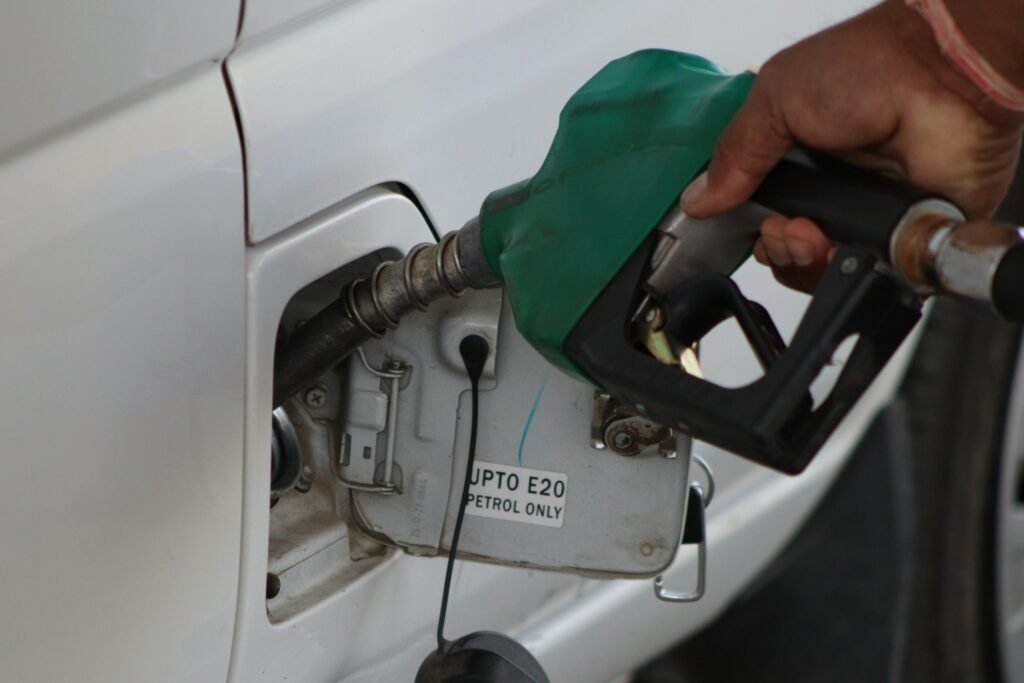
Dead mileage increases operational costs without contributing to revenue. In dead mileage in UAE limousine fleets, these hidden movements significantly increase operational costs without adding revenue.
This includes:
- Fuel consumption
- Driver working hours
- Vehicle wear and tear
Over time, these costs significantly impact overall fleet profitability.
How to Identify Dead Mileage in Fleet Operations
To manage dead mileage effectively, fleets need detailed visibility, often achieved through vehicle-level analytics in fleet operations.
This includes:
- Tracking total distance vs revenue-generating distance
- Monitoring gaps between trips
- Analyzing vehicle-level activity
Without this level of visibility, dead mileage remains difficult to detect.
How to Reduce Dead Mileage
Reducing dead mileage requires better planning and data-driven decisions, similar to how fleets reduce idle time in fleet operations.
Fleets can:
- Optimize trip scheduling
- Improve route planning
- Reduce gaps between trips
- Use real-time tracking to improve dispatch
Small improvements in these areas can significantly reduce unnecessary movement.

How Dead Mileage Impacts Fleet Profitability
Dead mileage affects far more than fuel costs. Every non-revenue kilometre increases driver time, vehicle wear, maintenance requirements, and operating expenses without generating additional income.
For limousine and car rental operators, excessive dead mileage can create the illusion of a busy fleet while quietly reducing margins. A vehicle may complete multiple trips during the day, but if a significant portion of its movement occurs without a paying passenger, overall profitability suffers.
This is why fleet operators should evaluate dead mileage alongside vehicle utilization, fleet profitability, and trip-level performance metrics. Understanding the relationship between these factors helps businesses identify inefficiencies and make more informed operational decisions.
Reducing dead mileage does not simply improve efficiency. It improves the financial performance of the entire fleet.
Conclusion
Dead mileage is a hidden but critical factor in fleet profitability.
Understanding where and how it occurs allows fleets to take control of operational costs.
With better visibility and data, UAE limousine fleets can reduce inefficiencies and improve overall performance.
As we navigate the economic ripple effects of the ongoing West Asia conflict, managing empty miles is no longer just about efficiency it is a baseline survival strategy for UAE transport operators. With regional instability driving severe fuel price volatility and unpredictable operational overhead across the GCC, allowing unbilled vehicles to run empty is a liability you cannot afford. When dead mileage is left unmanaged, it directly compounds your UAE Fleet Fuel and Salik Costs, bleeding critical margins during a highly sensitive economic period.
Winning this war against revenue leakage means attacking it from two sides: optimizing your routes to eliminate these empty gaps, and stopping Undeclared Trips where drivers take cash side-bookings completely off the books.
At Arianna, we equip transport operators with the exact data intelligence needed to protect their bottom lines against external market shocks. Our specialized accounting and analytics solutions turn chaotic hardware signals into clear, vehicle-level profitability reports helping you eliminate dead mileage, stabilize your operational costs, and defend your hard-earned margins.
FAQs
What is dead mileage?
Dead mileage is the distance a vehicle travels without generating revenue, usually when it is empty between trips.
What causes dead mileage in limousine fleets?
Dead mileage commonly occurs when vehicles travel to pickup locations, reposition between trips, return empty after a drop-off, or wait in low-demand areas without an active booking.
How can limousine companies reduce dead mileage?
Limousine companies can reduce dead mileage through better trip scheduling, route optimization, demand forecasting, and improved dispatch planning.
Does dead mileage affect fleet profitability?
Yes. Dead mileage increases fuel costs, driver hours, vehicle wear, and maintenance expenses without generating revenue, making it a significant profitability concern.
Why should dead mileage be tracked separately?
Tracking dead mileage separately provides clearer visibility into operational efficiency and helps identify opportunities to reduce unnecessary movement.
What is an example of dead mileage?
A limousine drops a passenger and returns empty to its operating area. The return trip generates costs but no revenue, making it a common example of dead mileage.