
For many transportation and limousine companies, profitability is becoming harder to maintain despite steady trip volumes and growing demand. One of the biggest reasons behind this issue is how UAE fleet fuel and Salik costs quietly reduce margins without operators immediately noticing the financial impact.
At first glance, revenue numbers may look healthy. Vehicles are active, trips are being completed, and operations appear stable. But behind the scenes, fuel inefficiencies, excessive idling, route mismanagement, and untracked toll charges slowly eat away at profitability every single day.
A fleet can complete more trips every month and still become less profitable.
For operators across Dubai and the UAE, controlling UAE fleet fuel and Salik costs is no longer optional. Companies that fail to monitor fuel consumption and Salik expenses properly often struggle with shrinking margins, delayed reporting, and limited visibility into actual vehicle profitability.
Why Fuel Costs Are Becoming Harder to Control in UAE Fleets
Fuel is one of the biggest operational expenses for limousine and transportation companies.Even small inefficiencies across multiple vehicles, alongside hidden costs like undeclared fleet trips, can create major financial pressure over time.
The problem usually is not one massive expense. It is hundreds of small daily losses that slowly add up.
Idle Time and Traffic Delays
Dubai traffic, airport waiting periods, and long idle hours increase unnecessary fuel consumption. Vehicles spend more time on the road while generating lower returns.
For large fleets, these hidden costs become difficult to identify manually.
Driver Behavior Also Impacts Fuel Costs
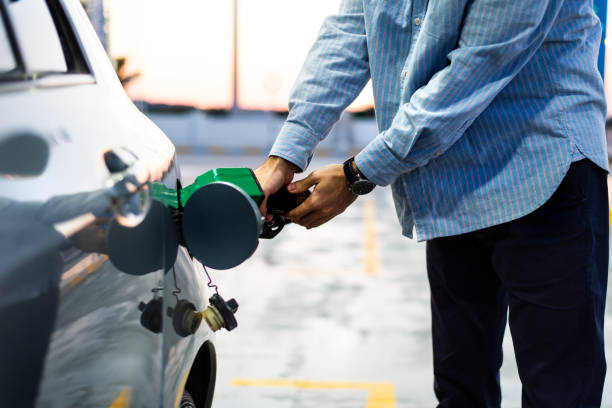
Harsh acceleration, speeding, unnecessary idling, and inconsistent driving habits all affect fuel efficiency.
Without proper tracking, many fleet operators only notice rising fuel bills at the end of the month instead of identifying the issue early.
This is one of the biggest ways UAE fleet fuel and Salik costs quietly reduce profitability.
Manual Fuel Tracking Creates Visibility Problems
Many companies still rely on spreadsheets or disconnected reporting systems to track fuel expenses.
As fleets grow, this creates problems such as:
- delayed reconciliation
- missing expense records
- inaccurate reporting
- limited vehicle-level visibility
- difficulty identifying operational losses
Eventually, operators struggle to understand which vehicles are actually making money.
Without proper visibility into UAE fleet fuel and Salik costs, many operators struggle to identify where margins are leaking.
How Salik Charges Quietly Reduce Fleet Margins

While fuel costs receive most of the attention, Salik expenses are another major reason many Dubai fleets struggle with profitability.
For limousine operators and transport companies regularly moving across business hubs, airports, and central Dubai routes, toll expenses accumulate very quickly.
Small Toll Charges Become Large Monthly Expenses
One Salik crossing may not seem expensive individually. But when vehicles cross multiple toll gates every day, the total monthly expense becomes significant.
This is especially true for high-trip fleets operating continuously throughout the city. For high-frequency operators, UAE fleet fuel and Salik costs can quickly become one of the biggest operational challenges affecting long-term profitability.
Most Fleets Do Not Properly Track Salik Per Trip
One common issue is that Salik expenses are tracked separately from trip profitability.
As a result, operators can see total revenue and total expenses but still fail to understand which trips are actually profitable after toll and fuel deductions. Many operators still underestimate how recurring toll expenses affect long-term margins. Understanding Salik expense management for UAE fleets becomes increasingly important for high-activity fleets operating across Dubai.
Some routes may appear profitable on paper while quietly reducing margins in reality.
High-Activity Fleets Feel the Impact Faster
Airport transfer fleets, limousine operators, and premium transport services usually experience the highest toll-related pressure because of frequent movement through major Dubai routes.
As operations scale, untracked UAE fleet fuel and Salik costs become harder to control.
For official toll information and updates, operators can refer to Salik Official Website.
The Real Problem Is Lack of Expense Visibility
Most fleet operators focus heavily on trip counts, bookings, and revenue growth. But trip count alone does not measure profitability, especially when fuel expenses, toll charges, and operational inefficiencies continue increasing in the background.
But revenue alone does not show actual profitability.
Two vehicles can generate the same revenue while producing completely different profit margins depending on:
- fuel usage
- toll frequency
- idle time
- route efficiency
- driver behavior
Without clear expense visibility, it becomes difficult to identify where profits are disappearing.
Disconnected Systems Create Operational Confusion
Many fleet businesses use separate systems for:
- trip management
- accounting
- fuel tracking
- expense reporting
- reconciliation
When fuel, trips, accounting, and expenses are tracked separately, it becomes difficult to see where profits are actually going.
This often leads to:
- reporting delays
- reconciliation pressure
- accounting confusion
- operational blind spots
As fleets grow, these problems become even harder to manage manually.
You can also explore related insights in Arianna’s Dubai limousine fleet profitability blog.
What Profitable UAE Fleet Operators Track Differently
The most profitable fleet operators focus on operational visibility rather than just trip volume.
Instead of asking:
“How many trips did we complete?”
they ask:
“Which vehicles are actually profitable?”
That shift changes everything.
Fuel Cost Per Vehicle
Tracking fuel costs vehicle-by-vehicle helps operators identify:
- inefficient vehicles
- unusual fuel spikes
- poor driving patterns
- route inefficiencies
This creates better accountability and stronger cost control.
Salik Cost Per Trip
Tracking toll expenses per trip helps operators understand which routes produce healthy margins and which ones quietly reduce profitability.
This helps businesses:
- optimize routes
- improve pricing decisions
- reduce unnecessary toll exposure
- improve trip profitability
Vehicle-Level Profitability Reporting

Fleet-wide revenue numbers can sometimes hide operational problems.
Vehicle-level reporting gives operators a much clearer picture of:
- high-performing vehicles
- low-margin operations
- expense-heavy routes
- hidden operational losses
Faster Reconciliation Visibility
Waiting until the end of the month to review expenses creates delays in decision-making.
Daily or real-time visibility allows operators to react faster and improve financial accuracy.
This is becoming increasingly important for UAE transportation businesses handling large operational volumes.
How Fleet Accounting Software Helps Reduce Operational Leakage
As fleets become larger and more complex, many operators are moving toward centralized accounting and operational visibility systems.
Modern fleet accounting software helps businesses reduce inefficiencies caused by manual tracking and disconnected reporting.
Automated Fuel and Expense Tracking
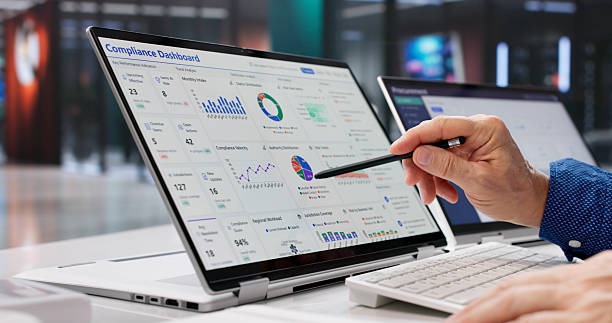
Centralized systems help operators monitor:
- fuel expenses
- Salik charges
- trip profitability
- vehicle costs
- driver-related expenses
from one dashboard.
This improves reporting accuracy and makes expense tracking significantly easier.
Faster Reconciliation and Reporting
Automated reconciliation reduces manual workload and helps finance teams process operational data faster.
This is especially useful for limousine companies managing high daily transaction volumes.
Better Operational Decision-Making
When operators gain clear visibility into actual operational costs, they can:
- optimize fleet allocation
- improve route planning
- reduce unnecessary expenses
- identify underperforming vehicles
- improve overall profitability
For UAE transport operators, operational visibility is quickly becoming a competitive advantage.
Better visibility into UAE fleet fuel and Salik costs helps operators make faster and more profitable operational decisions.
For broader transportation and infrastructure updates, operators can also visit RTA Dubai and UAE Ministry of Energy and Infrastructure.
Frequently Asked Questions
How do fuel costs affect UAE fleet profitability?
Fuel expenses directly impact operating margins. Inefficient routes, excessive idling, and poor driving behavior can significantly increase operational costs across large fleets.
Why are Salik expenses important for Dubai fleet operators?
Frequent toll crossings accumulate quickly in high-activity fleets. Without proper tracking, Salik expenses can quietly reduce trip profitability.
What should UAE fleet operators track daily?
Fleet operators should monitor:
- fuel cost per vehicle
- Salik cost per trip
- idle time
- vehicle profitability
- daily reconciliation performance
How can limousine companies reduce operational losses?
Using centralized fleet accounting and operational reporting systems helps businesses improve visibility, reduce manual errors, and identify hidden expenses faster.
Conclusion
Over the past few months, managing operational margins has become a core focus for limousine and transportation operators across the UAE. In a fluctuating market where demand patterns shift quickly, even minor operational gaps can start affecting profitability much faster than expected. Rising fuel expenses, excessive Salik charges, and delayed expense reconciliation can quietly create serious financial pressure over time.
This is exactly why tracking UAE fleet fuel and Salik costs with absolute precision has become vital. At Arianna, we believe fleet operators need more than just static dashboards; they need real operational support and clearer financial visibility. We focus on helping fleets improve expense tracking, automate reconciliation processes, and monitor vehicle-level profitability making operations simpler, protecting your bottom line, and driving sustainable growth.