

The idle time impact on fleet cost is often underestimated in fleet operations.
In reality, the idle time impact on fleet cost directly affects efficiency and profitability.
Most operators focus on visible expenses like fuel and maintenance. However, a significant portion of cost comes from vehicles that are not generating revenue. especially when idle time in fleet management is not properly tracked.
Every minute a vehicle isn’t generating revenue, it adds to operational cost.
Understanding this impact is essential for improving overall fleet performance.

What Is Idle Time and Its Impact on Fleet Cost
Idle time refers to periods when vehicles are not moving but still consuming resources.
This includes waiting between trips, delays at pickup points, and inefficient scheduling.
Even small amounts of idle time, when multiplied across a fleet, can result in significant cost.
Idle Time Impact on Fleet Cost
Idle time affects fleet cost in several ways. According to industry fleet management insights, improving visibility into vehicle activity is key to reducing inefficiencies.
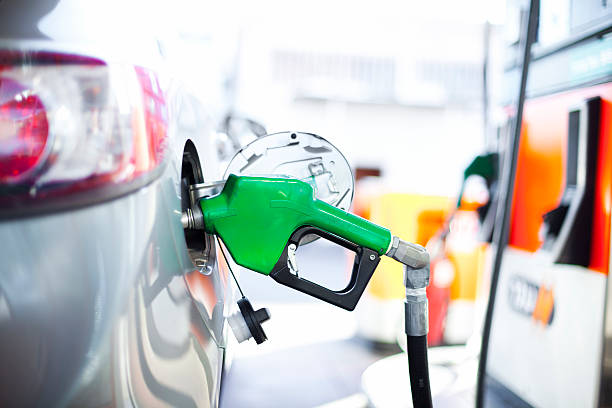
Idle Time Impact on Fleet Cost Through Fuel Consumption
Engines running without movement continue to consume fuel. As a result, fleets incur fuel costs without generating revenue.
Idle Time Impact on Fleet Cost Through Driver Productivity
Drivers spend time waiting instead of completing trips. Therefore, overall productivity decreases.
Idle Time Impact on Fleet Cost Through Lost Revenue
When vehicles are idle, they are not generating income. This directly reduces revenue per vehicle.
Idle Time Impact on Fleet Cost Through Vehicle Wear and Tear
Unnecessary engine usage increases wear on components. Consequently, maintenance costs rise over time.
Why Idle Time Impact on Fleet Cost Reduces Profitability
Profitability depends on how efficiently vehicles are utilized.
When idle time increases, costs rise while revenue remains the same or decreases. Because of this, the idle time impact on fleet cost becomes a key factor in overall profitability.
How to Reduce the Impact of Idle Time
Reducing idle time starts with better visibility and control. Businesses that actively work to reduce idle time in fleet operations can significantly improve efficiency and control costs.
Key steps include:
- Improving scheduling
- Reducing unnecessary wait time
- Monitoring vehicle activity
- Using data to identify patterns
Small improvements in these areas can significantly improve cost efficiency.
Conclusion
Idle time is not just an operational issue.
It directly affects cost, efficiency, and profitability.
Understanding and managing idle time helps fleets reduce unnecessary expenses and improve overall performance.
Solutions like Arianna’s vehicle-level analytics provide the visibility needed to identify idle patterns and take action.
Because without visibility, idle time continues to impact cost and profitability.