

Implementing seat sensors UAE limousine fleets use helps operators detect passenger presence during trips and improve visibility across daily vehicle activity. For luxury transport businesses in Dubai and Abu Dhabi, seat sensor data provides an ironclad layer of trip verification. When integrated with GPS and fleet analytics tools, these smart sensors help managers catch unrecorded cash trips, improve driver accountability, and maintain strict operational oversight.
For fleet operators managing multiple vehicles, maintaining visibility across daily operations is essential. Technologies such as GPS tracking and trip dashboards provide valuable information about vehicle location and trip data. However, these systems do not always reveal what is happening inside the vehicle during a trip.
Seat sensors help bridge this gap by detecting passenger presence inside the vehicle. This additional layer of monitoring can help fleet operators better understand vehicle activity and verify whether trips are actually taking place.
In fleet operations where vehicles operate throughout the day across multiple drivers and routes, having additional monitoring signals can contribute to improved operational transparency.
How Seat Sensors Work in Fleet Vehicles
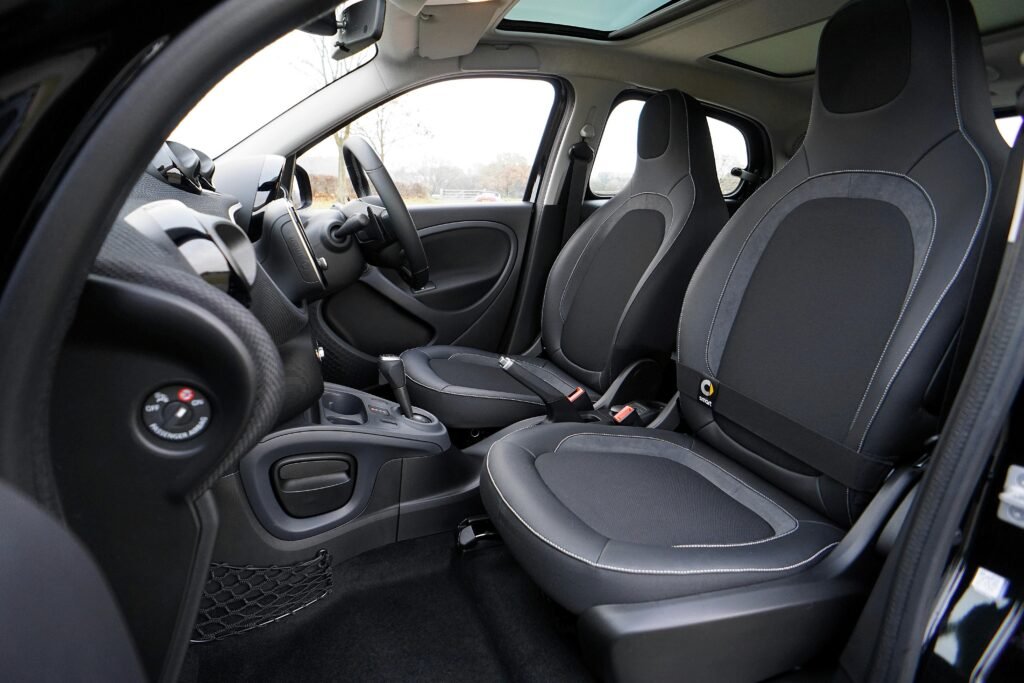
Seat sensors are typically installed beneath the seat cushion or integrated within the seat structure itself. The sensor detects pressure when weight is applied to the seat, indicating that a passenger is present. Seat sensors are similar to seat occupancy sensors used in automotive safety systems that detect passenger presence.
Once activated, the sensor sends a signal to a monitoring system or connected dashboard. This information can then be recorded as part of the vehicle’s operational data.
Fleet monitoring systems often combine several types of information to create a complete picture of vehicle activity. In addition to seat sensors, fleet operators may monitor:
• GPS location tracking
• trip records and trip timing
• driver activity and behavior
• vehicle usage patterns
When these systems are used together, they help operators gain a clearer understanding of how vehicles are being used throughout the day. Seat sensors provide an additional data point that complements other monitoring tools and contributes to improved operational visibility.

Why Seat Sensors Are Useful for Fleet Operators
Fleet businesses often manage multiple vehicles, drivers, and daily trips across different routes. In such environments, maintaining consistent operational visibility can be challenging.
Seat sensors help fleet operators verify when passengers are actually present inside vehicles during trips. This information can support stronger trip verification and provide additional insights into vehicle usage.
Some practical advantages of seat sensors include:
• improved passenger activity monitoring
• stronger trip verification processes
• additional operational transparency
• improved fleet oversight across vehicles
For limousine fleets and transport operators, technologies that improve operational visibility often work alongside fleet monitoring tools that help operators track vehicle activity and operational performance.
This is also why vehicle profitability becomes easier to understand when passenger presence data is reviewed alongside trip records and broader fleet reporting.
Many operators also combine passenger verification data with fleet analytics reporting to identify operational patterns, monitor vehicle utilization, and strengthen profitability analysis across the fleet.
While seat sensors alone do not provide complete operational data, they can work alongside other monitoring tools to strengthen fleet monitoring systems.
When combined with dead mileage analysis, seat sensor data can also help operators identify periods where vehicles are moving without generating billable passenger activity.

Seat Sensors and Modern Fleet Monitoring
Fleet operations are increasingly becoming more data-driven. As fleets grow and vehicle utilization increases, operators rely on multiple monitoring technologies to maintain operational efficiency.
Seat sensors represent one of several tools that complement modern fleet monitoring systems. When combined with technologies such as GPS tracking, trip monitoring platforms, and operational dashboards, seat sensor data can contribute to a clearer understanding of vehicle activity. Many fleet operators rely on fleet analytics systems to monitor vehicle activity, driver behavior, and operational performance across vehicles. These insights become even more valuable when paired with predictive maintenance strategies that help operators reduce downtime and improve vehicle availability.
This additional data point can help operators monitor vehicle usage patterns, verify passenger presence, and strengthen overall operational transparency.
For fleet operators managing larger vehicle networks, monitoring systems that combine multiple data sources often provide the most reliable operational insights.
The 2026 Future: Smart Cities and Occupancy Analytics in Dubai
As we move through 2026, fleet management in the UAE is shifting from basic GPS tracking to fully integrated smart sensor networks. With Dubai’s Roads and Transport Authority (RTA) pushing for higher digital accountability and advanced safety metrics across commercial fleets, luxury transport providers can no longer rely on manual oversight.
Modern seat sensors do more than flag unrecorded cash trips they feed directly into predictive fleet analytics software. This allows operators to automatically cross-reference passenger presence with active booking dispatches, dispatch the closest available vehicle instantly, and protect profit margins from undetected operational leaks.
Protect Your Fleet’s Revenue Streams Today
Are you losing revenue to unrecorded trips or excessive idling? Installing seat sensors UAE limousine fleets require to safeguard their margins is the easiest way to regain complete operational control.
At Arianna, we specialize in helping luxury transport and limousine operators across Dubai and the UAE turn complex hardware signals into clear, automated accounting and analytics reports.
Let us show you how to eliminate hidden costs and secure your bottom line.
Conclusion
In today’s tough market conditions, due to the West Asia War, many fleet operators are trying hard to maintain profitability while handling rising operational pressure. As the UAE luxury vehicle market has also slowed down due to a loss of tourists, keeping fleet operations efficient, profitable, and financially controlled is becoming more important than ever. This is exactly why visibility, accurate tracking, and operational efficiency matter more than ever.
Solutions like Arianna help limousine operators turn seat sensor data, GPS tracking, and trip records into actionable operational insights. By combining multiple data sources into a single reporting framework, fleets can improve trip verification, strengthen operational visibility, identify potential revenue leakage, and make more informed decisions about vehicle performance.
As fleets become increasingly data-driven, having access to accurate, consolidated operational information can play a significant role in improving efficiency, accountability, and profitability. For operators looking to gain greater control over fleet performance, seat sensor data becomes even more valuable when integrated with broader analytics and reporting systems.
Frequently Asked Questions
What are seat sensors in vehicles?
Seat sensors are monitoring devices installed inside vehicle seats that detect when a seat is occupied. They help monitor passenger presence and support vehicle monitoring systems.
How do seat sensors work in fleet vehicles?
Seat sensors detect pressure applied to a seat. When activated, the sensor records the event and sends information to a monitoring system or dashboard used by fleet operators.
Why do fleet operators use seat sensors?
Fleet operators use seat sensors to monitor passenger presence, verify trips, and improve operational visibility across vehicles.