
Across the UAE, fleet businesses are beginning to operate under a very different kind of pressure. As regional instability continues affecting parts of the Middle East, industries connected to tourism, aviation, transportation, and mobility are starting to feel the impact operationally. For many UAE fleet businesses, especially Dubai limousine and transport operators, the conversation is no longer only about growth or expansion.
It is increasingly about sustainability.
Slower tourism confidence, fluctuating fuel prices, unpredictable booking patterns, and tighter operating margins are creating an environment where even small operational gaps can quietly become expensive.
A delayed pickup affects fuel usage.
An underutilized vehicle affects margins.
Poor timing between trips creates pressure across the day.
Individually, these issues may seem manageable.
Across an entire fleet, however, they can slowly begin affecting profitability in ways many operators do not immediately notice.
With fuel prices climbing, are hidden Salik fees wrecking your fleet margins too? Don’t lose money before the upcoming June updates. Read our complete Dubai Salik Charges for Fleet Owners (2026) to protect your profits.

Why the Current Environment Feels Different for UAE Fleet Businesses
Over the last few years, Dubai’s transport and limousine sector benefited from strong tourism activity, business travel, hospitality growth, and airport demand.
But the current environment feels more unpredictable.
Many UAE fleet businesses are now dealing with inconsistent booking cycles, rising operating costs, tighter customer expectations, and increasing pressure to maintain service quality while protecting margins.
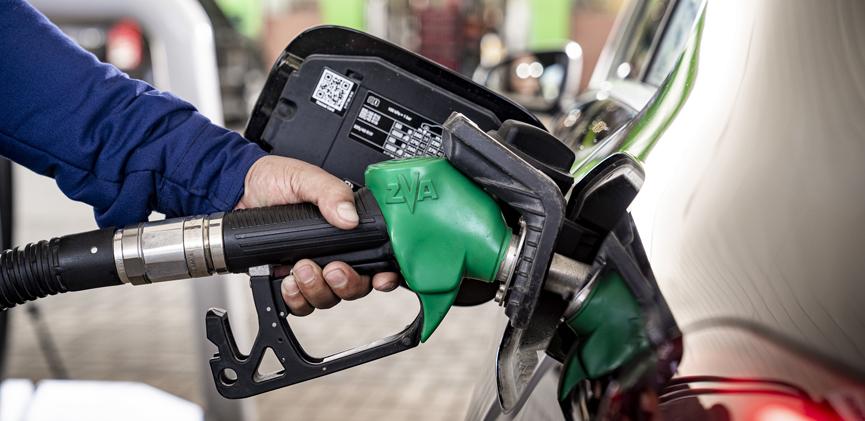
Fuel costs, in particular, have become a growing concern.
According to recent UAE market reports, diesel prices reportedly rose by nearly 70% while petrol prices increased by around 30% during periods of geopolitical and supply-chain pressure.
For businesses managing dozens or even hundreds of vehicles daily, changes like these create immediate operational pressure.
Vehicles may remain active throughout the day while still generating weaker margins.
Peak-hour demand may overload certain routes while other vehicles spend longer periods underutilized.
Dispatch teams often end up adjusting schedules constantly to maintain smooth service flow.
To customers, operations may still appear seamless.
Internally, however, many businesses are working harder just to maintain efficiency.
When Busy Operations Still Struggle Financially
One of the biggest misconceptions in fleet operations is that busy vehicles automatically mean healthy profitability.
In reality, activity alone does not always protect margins.
A fleet may complete a high number of trips while still losing efficiency through:
- dead mileage and unnecessary repositioning
- long idle periods
- fuel-heavy routing
- delayed pickups
- uneven vehicle utilization
- excessive waiting time between bookings
During stable market conditions, some of these inefficiencies may go unnoticed.
But in tighter conditions, they start compounding quickly.
A single delayed pickup can affect the next booking.
One cancellation can force multiple route adjustments.
An underperforming vehicle may quietly continue operating without contributing strong margins.
Over time, these patterns create pressure not only on costs, but also on operational stability.
Why Slower Demand Creates More Operational Complexity
Many people assume slower demand automatically reduces pressure.
For fleet businesses, that is not always true.
In fact, slower demand often creates a different kind of operational challenge.
When booking consistency becomes less predictable, fleet operators may struggle with:
- uneven vehicle movement
- fluctuating utilization
- inconsistent driver productivity
- increased dispatch reshuffling
- lower trip efficiency
- higher cost pressure per booking
This is where operational discipline starts becoming more important than expansion alone.
Because during uncertain periods, profitability is often protected through efficiency rather than volume.
The businesses performing strongest are usually the ones reacting faster to inefficiencies before they quietly grow into larger operational problems.
The Hidden Costs Many Fleet Operators Miss
Some of the most expensive operational issues in fleet businesses are rarely dramatic.
They build gradually.
- A few extra kilometers between trips.
- Vehicles spending longer than expected in traffic-heavy areas.
- Poorly timed repositioning.
- Idle movement during lower-demand periods.
- Routes that appear active but generate weaker margins.
Across an entire operation, however, they can create significant monthly cost pressure, especially when businesses are not monitoring fuel efficiency analytics closely.
Individually, these patterns may seem small.
And because these issues develop quietly, many businesses only notice the financial impact after margins have already tightened.
This is one reason why many UAE fleet businesses are now focusing more closely on operational clarity rather than simply monitoring trip totals. This is why local operators use our analytics platform to track fuel consumption dynamically, wiping out waste before it cuts into their margins.
Why Basic Fleet Tracking Is No Longer Enough
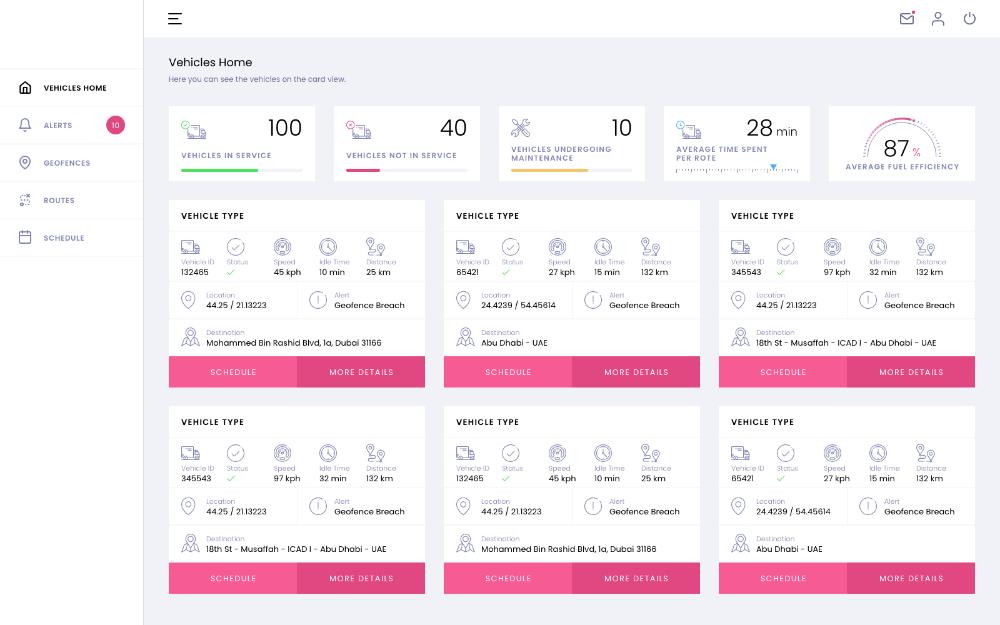
Most fleet businesses already monitor locations, trips, bookings, and driver activity.
The problem is that traditional tracking often shows movement without showing profitability.
Knowing where vehicles are is important.
Understanding whether those movements are financially efficient is far more valuable.
Many operators today are asking deeper operational questions:
Which vehicles consistently perform below expectations?
Which routes create unnecessary fuel pressure and reduce route efficiency?
Where does idle movement increase most frequently?
Why do some vehicles remain busy while generating weaker margins?
And how much operational pressure is building silently across the fleet each day?
These are the questions becoming increasingly important in a market where margins are tighter and operational consistency matters more than ever.
How Better Operational Visibility Can Protect Profitability
During uncertain market conditions, businesses that understand their operations clearly usually respond faster and make stronger decisions.
For UAE fleet businesses, this means looking beyond surface-level activity and identifying the patterns quietly affecting performance underneath including the factors affecting overall fleet profitability.
That includes:
- utilization imbalances
- fuel-heavy vehicle movement
- timing inefficiencies
- underperforming routes
- operational bottlenecks
- hidden cost leakage
This is where deeper operational visibility becomes valuable.
Not simply to monitor vehicles, but to understand where profitability is slowly improving or quietly disappearing.
For limousine operators and transport businesses navigating a more demanding market, that clarity can make a major difference over time.
Final Thoughts
The UAE fleet industry is entering a more operationally demanding phase.
Rising fuel pressure, slower demand, tighter margins, and changing travel patterns are forcing many businesses to think differently about efficiency and profitability.
Growth alone is no longer enough.
In the current environment, long-term sustainability increasingly depends on how well fleet businesses understand the hidden operational patterns affecting their margins every day.
Because in difficult market conditions, the fleets that adapt fastest are often the ones that survive strongest.
FAQs
How are rising fuel costs affecting UAE fleet businesses?
Rising fuel costs increase pressure on fleet profitability by affecting vehicle movement costs, idle time expenses, route efficiency, and overall operating margins.
Why are Dubai limousine operators facing tighter margins?
Dubai limousine operators are dealing with fluctuating demand, rising fuel prices, operational inefficiencies, and increasing pressure to maintain service quality while controlling costs.
What operational issues quietly reduce fleet profitability?
Common issues include unnecessary repositioning, long idle periods, delayed pickups, fuel-heavy routes, uneven vehicle utilization, and inefficient dispatch timing.
Why is operational visibility important for fleet businesses?
Operational visibility helps fleet businesses identify hidden inefficiencies, understand vehicle performance more clearly, reduce cost leakage, and make stronger operational decisions.
Understand where your fleet margins are leaking.