

Fleet data does not reduce costs on its own.
Most fleet operators in Dubai already track dashboards, reports, and multiple performance metrics. Yet operational costs continue to rise.
The issue is not data availability.
It is how that data is used.

Why Fleet Data Does Not Reduce Costs
Many fleets assume that collecting more data will automatically improve performance.
In reality, fleet data does not reduce costs unless it leads to clear and consistent decision-making.
Metrics such as trip counts, utilization, and driver hours provide visibility, but they do not directly impact costs. Effective fleet management depends on using data to drive decisions, not just track activity.
Without action, data remains passive.
The Real Problem: Too Many Metrics, No Focus
One of the biggest challenges in fleet operations is overtracking.
Fleets often monitor too many metrics without identifying which ones actually affect profitability.
Focusing on the right fleet KPIs in Dubai that actually matter is essential to avoid unnecessary complexity.
This leads to confusion, delayed decisions, and missed opportunities.
More data does not create clarity.
It creates noise.

What Actually Reduces Fleet Costs
To reduce costs effectively, fleets must focus on a few high-impact metrics instead of tracking everything.
Idle Time
Idle time increases fuel consumption without generating revenue.
Reducing idle time directly improves operational efficiency.
Dead Mileage
Dead mileage represents distance traveled without passengers.
It is one of the biggest hidden cost drivers in fleet operations.
Cost Per Trip
Cost per trip combines multiple cost factors into a single measurable metric.
It provides a clear understanding of profitability at the trip level.
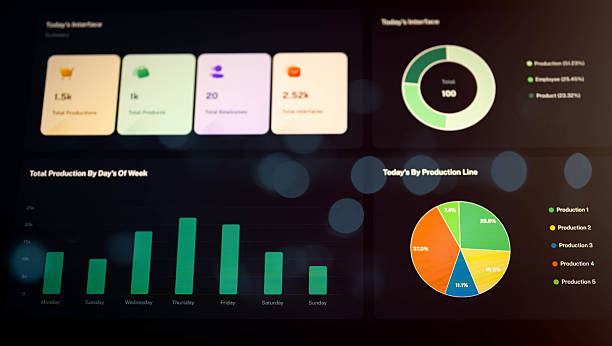
From Data to Decisions
The difference between high-performing fleets and average ones is not the amount of data. To reduce fleet costs in Dubai using data, fleets must go beyond tracking and focus on consistent decision-making.
It is how that data is used.
Effective fleets:
- Identify inefficiencies
- Focus on key cost drivers
- Take consistent action
- Monitor results over time
Common Mistakes Fleets Make
Even with access to data, many fleets fail because fleet data does not reduce costs without the right approach.
Common mistakes include:
- Tracking too many metrics
- Ignoring cost-focused KPIs
- Delaying decisions
- Not connecting data to action
Conclusion
Fleet data does not reduce costs by itself.
It becomes valuable only when it leads to better decisions.
By focusing on the right metrics and acting on them consistently, fleet operators can turn data into measurable cost savings.